
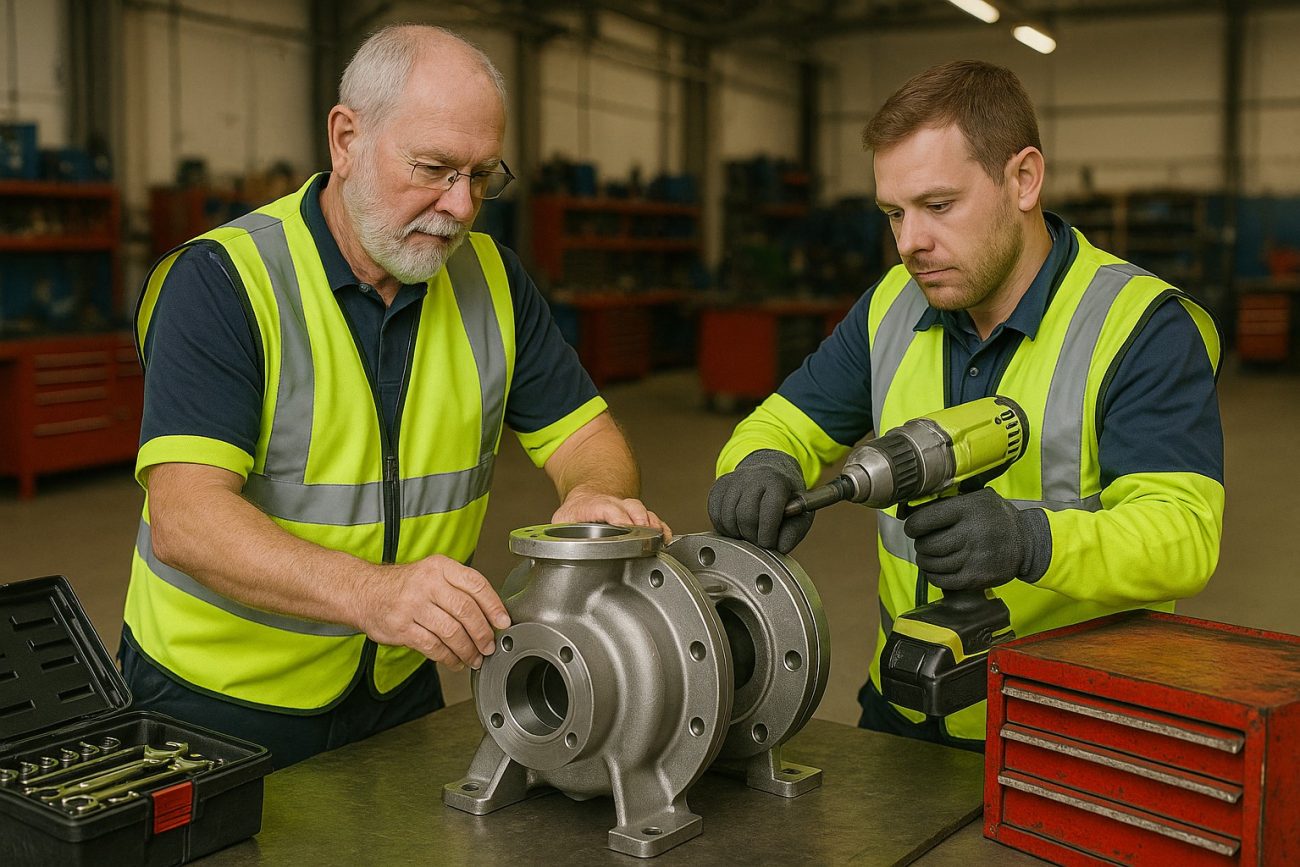
Pump hoses and mechanical seals are consumable components—they don’t last forever, and knowing when to replace them is key to preventing unexpected breakdowns, leaks, and costly downtime.
But there’s no one-size-fits-all answer. Replacement intervals depend on pump type, application, fluid characteristics, and how well your system is maintained.
Let’s break it down.
Pump Hoses (Peristaltic Pumps)
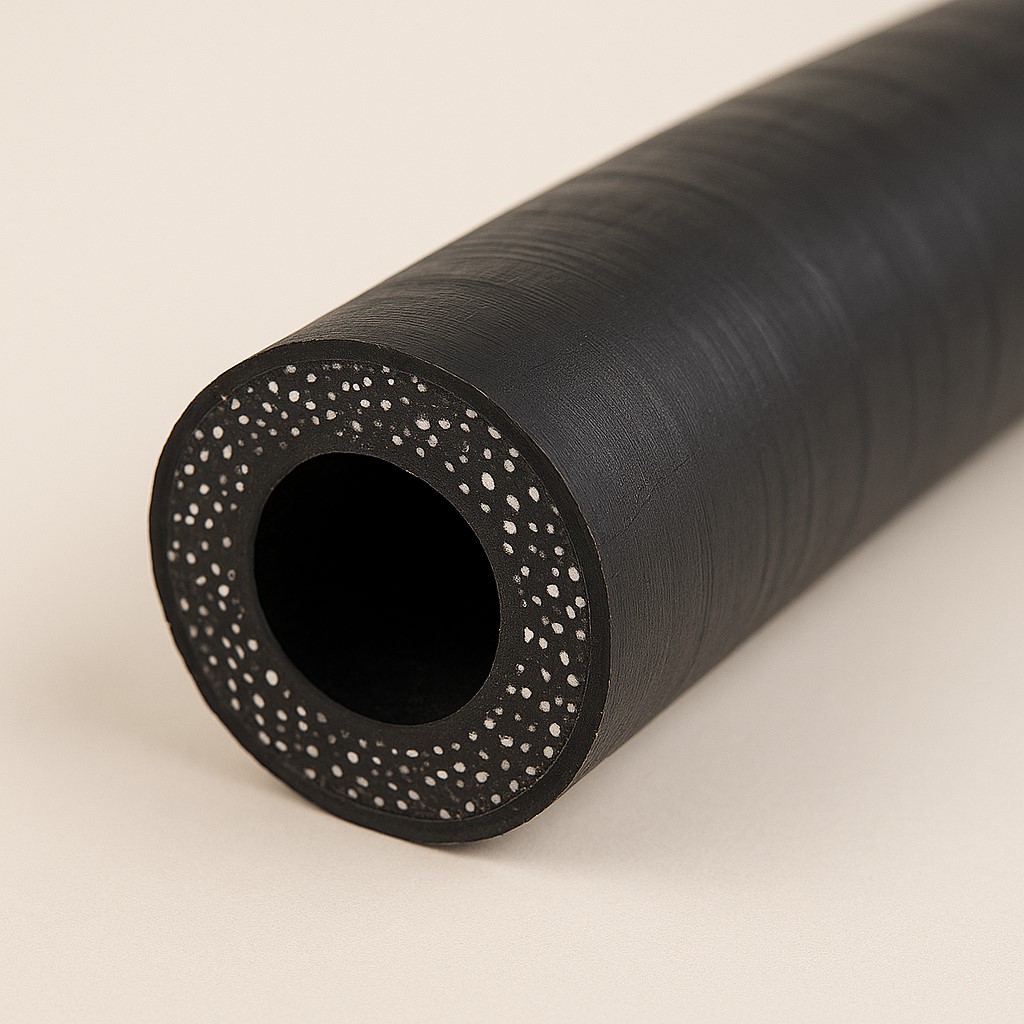
In peristaltic hose pumps, the hose is the most critical wear part. It’s under constant compression and flexing, which causes it to fatigue over time.
Typical replacement interval:
- 400 to 1,000 hours of run time (on average)
- Heavy-duty hoses in optimized systems can last up to 2,000+ hours
Factors that shorten hose life:
- High operating pressure
- Chemical attack from incompatible fluids
- Excessive speed or dry running (in shoe pumps)
- Poor lubrication or worn rollers/shoes
How to monitor:
- Track hose run hours
- Check for bulging, weeping, or reduced flow
- Install leak detectors or pressure sensors for early warning
Tip: Always follow the pump manufacturer’s hose specification and shimming instructions.
Mechanical Seals (Centrifugal, and Other Pumps)
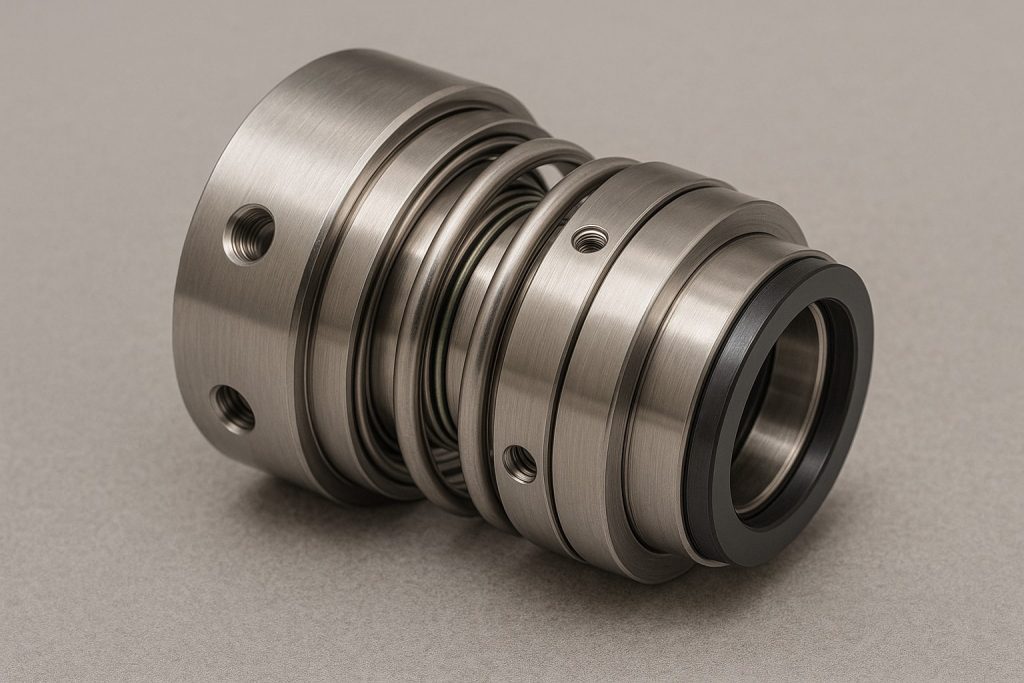
Seals prevent leakage around the rotating shaft of the pump. They’re subject to heat, vibration, pressure changes, and chemical exposure.
Typical replacement interval:
- 6 to 24 months, depending on operating conditions
Signs a seal needs replacement:
- Visible leakage
- Increased vibration or noise
- Seal flush line issues or overheating
- Pressure loss at the seal chamber
Ways to extend seal life:
- Use the right seal material for your fluid
- Avoid dry running and cavitation
- Maintain proper alignment and lubrication
- Use a seal flush plan (API Plan 11, 32, etc.) if needed
Tip: Log all seal replacements to help predict future failures.
Proactive vs Reactive Replacement
Waiting until a hose bursts or a seal leaks is always more expensive than preventive replacement.
A better strategy:
- Track run hours and system pressures
- Use visual inspections and sensor data
- Replace hoses and seals just before end-of-life
- Keep critical spares on-site to reduce downtime
Final Thoughts
Whether you’re running a hose pump in a mining plant or a mechanically sealed pump in a water treatment system, regular replacement of hoses and seals is essential to performance and reliability.
Plan ahead, track usage, and don’t wait for failure.
Need help building a replacement schedule or choosing the right spare parts?
Talk to The Pump Expert—we’ll help you keep your system running smoothly.
