
The correct pump technology is the one whose operating principle matches the fluid and process. Start … How to choose the correct pump technology for an applicationRead more


Pump selection isn’t just a box-ticking exercise. Too many people think it’s about matching flow and head numbers off a datasheet. It’s not. Get it wrong, and you’ll pay for it later—with high power bills, seal failures, and a maintenance team that’s sick of stripping down the same pump every few months.
Here are the traps I see over and over again:
Forgetting About the Fluid
It’s not water. That’s the mistake. Your pump doesn’t care what the datasheet says—it cares what’s actually in the line. Thick slurries, corrosive chemicals, hot process fluids—they all chew through pumps designed with “clean water” in mind. Know your fluid, respect your fluid, and size the pump for the real job.
Oversizing “Just to Be Safe”
This one’s everywhere. Add a safety margin here, another one there, and suddenly your pump is two sizes too big. Sounds harmless, but it isn’t. An oversized pump runs off its Best Efficiency Point. That means vibration. That means wasted energy. That means seals and bearings that fail long before their time. Do the homework, and match the pump to what the system actually needs.
Ignoring NPSH
Cavitation isn’t just noise—it’s damage. If the NPSH Available in your system doesn’t clear the NPSH Required by the pump, you’re inviting trouble. Hot fluids, long suction lines, undersized inlets—these are red flags. Once cavitation starts, it eats away at impellers and performance goes downhill fast.
Assuming the System Never Changes
Pumps don’t live in static systems. What was right at commissioning may be completely wrong three years later. Flows creep up, duty cycles shift, new chemicals get added. If you don’t review the pump against current conditions, you’ll eventually find it struggling—or failing.
Buying on price alone
The cheapest pump almost always ends up being the most expensive choice. Wrong materials, seals that don’t last, poor efficiency—it all piles up. You pay for it in downtime, spare parts, and power bills.
Spend a little more upfront on the right construction and design, and you’ll save yourself ten times the cost over the life of the pump.
The bottom line: Pump selection isn’t about chasing the lowest price or throwing in oversized safety margins. It’s about knowing your system, understanding your fluid, and being realistic about how the pump will actually be used. Get it right, and you’ll have a pump that runs efficiently, lasts longer, and keeps the plant running without drama.
The correct pump technology is the one whose operating principle matches the fluid and process. Start … How to choose the correct pump technology for an applicationRead more
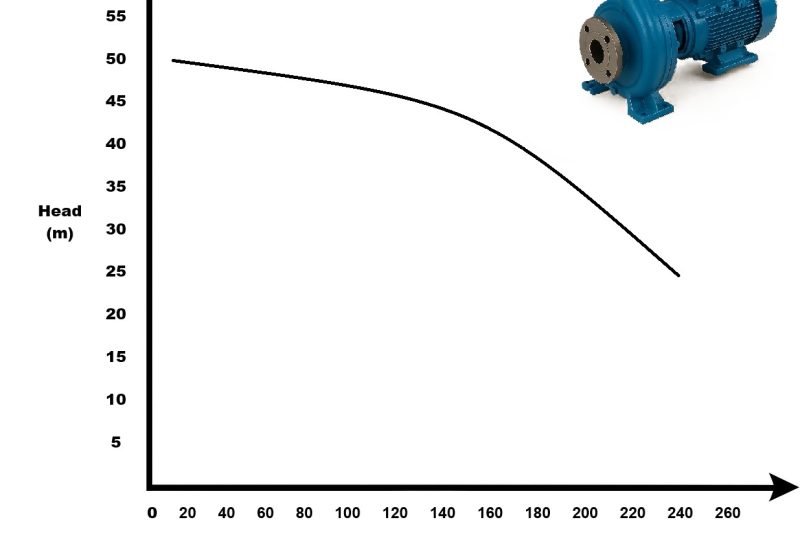
One of the most common misunderstandings in pump systems is the idea that increasing pump head … Higher head means higher flow rate? Another pump myth bustedRead more
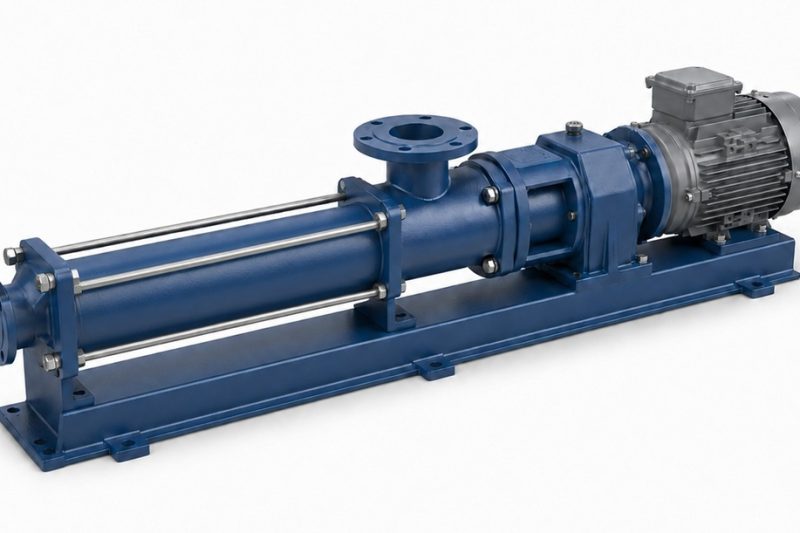
Progressive cavity pumps are often selected when a centrifugal pump struggles with viscous fluids, entrained solids, … Progressive cavity pumps: where they are brilliant, and where they are notRead more
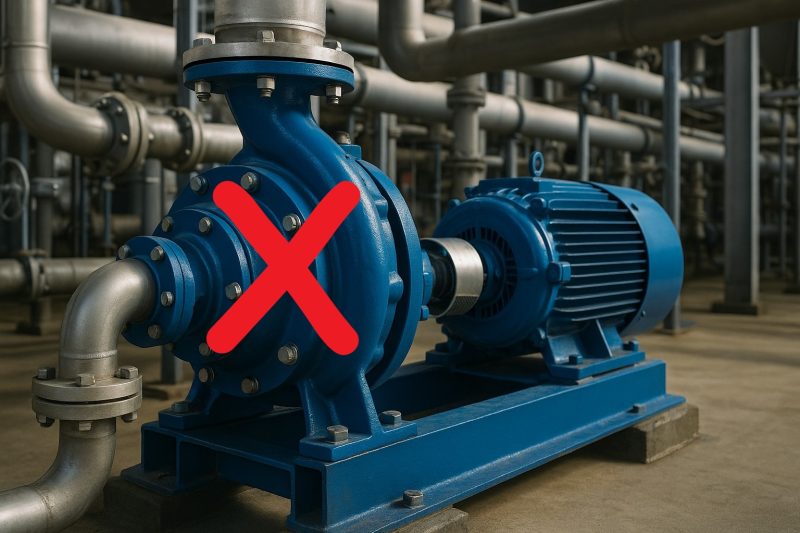
When we talk about pump installations, most conversations quickly turn to suction conditions. NPSH. Cavitation. Air … The Discharge Line: More Than Just a PipeRead more

Industrial pumps don’t care about brand, model, or history, they care about physics. And physics changes … Altitude Matters: Why Pumps That Run Perfectly at Sea Level Can Fail in High-Elevation SitesRead more

It Has a Structure Problem Spend enough time in the pump industry and you’ll notice something … The Pump Industry Doesn’t Have an Experience ProblemRead more
It’s not about choosing the wrong size.It’s about choosing a pump style that fundamentally doesn’t suit … What “Wrong Pump Technology” Really MeansRead more
“Perfect, I’ll take that. I only need it to do 200 L/min at 45 m — … Stop Choosing Pumps Based on “Max Flow” and “Max Head”Read more
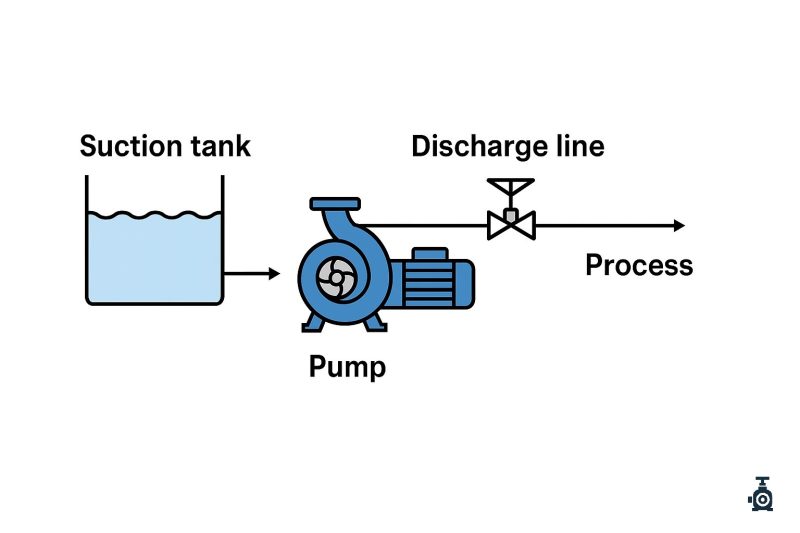
When most people start learning about pumps, they focus on the pump itself — the impeller, … Why You’ll Never Master Pumps in IsolationRead more
Throttling a pump’s discharge valve is one of the most common methods used to control flow … Inefficiencies of Throttling Discharge ValvesRead more