
The food and beverage industry requires pumping systems that do more than just move product. From maintaining hygienic standards to preserving delicate textures, the right pump can directly influence product quality, process efficiency, and regulatory compliance.
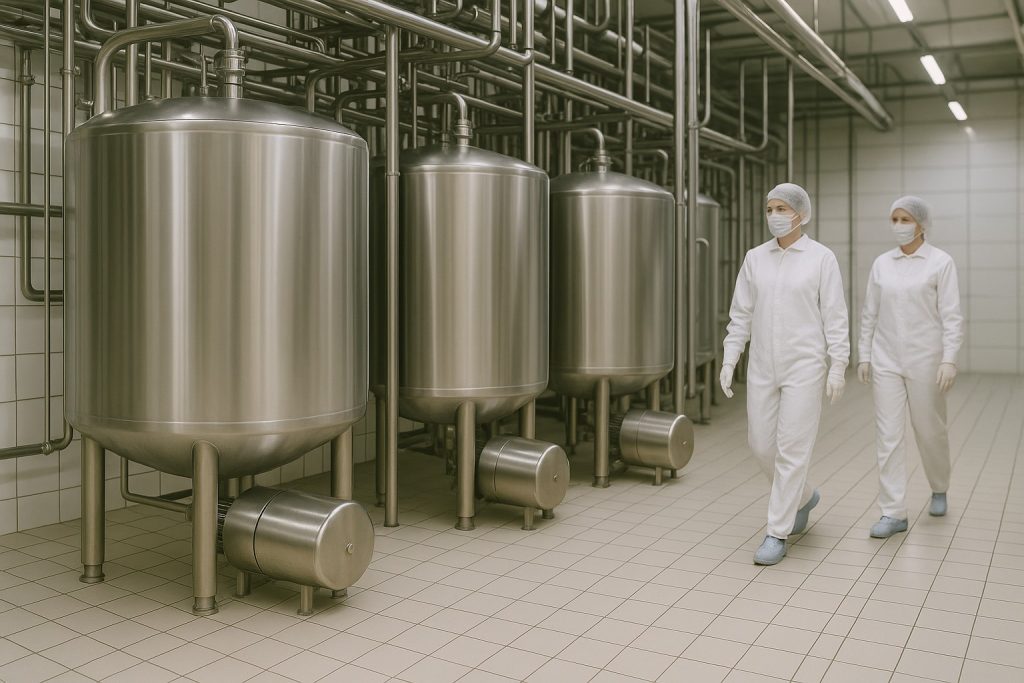
Challenges in Food & Beverage Pumping
- Hygienic and Sanitary Compliance
Pumps must meet 3A, FDA, or EHEDG standards to prevent contamination and ensure food safety throughout the production process. - Handling Shear-Sensitive Fluids
Many food products—like cream, yogurt, sauces, and fruit pulps—require low-shear transfer to preserve texture and quality. - Clean-In-Place (CIP) and Sterilize-In-Place (SIP)
Modern food processing lines demand pumps that can be cleaned and sterilized without disassembly, or at the very least, with fast strip-down options.
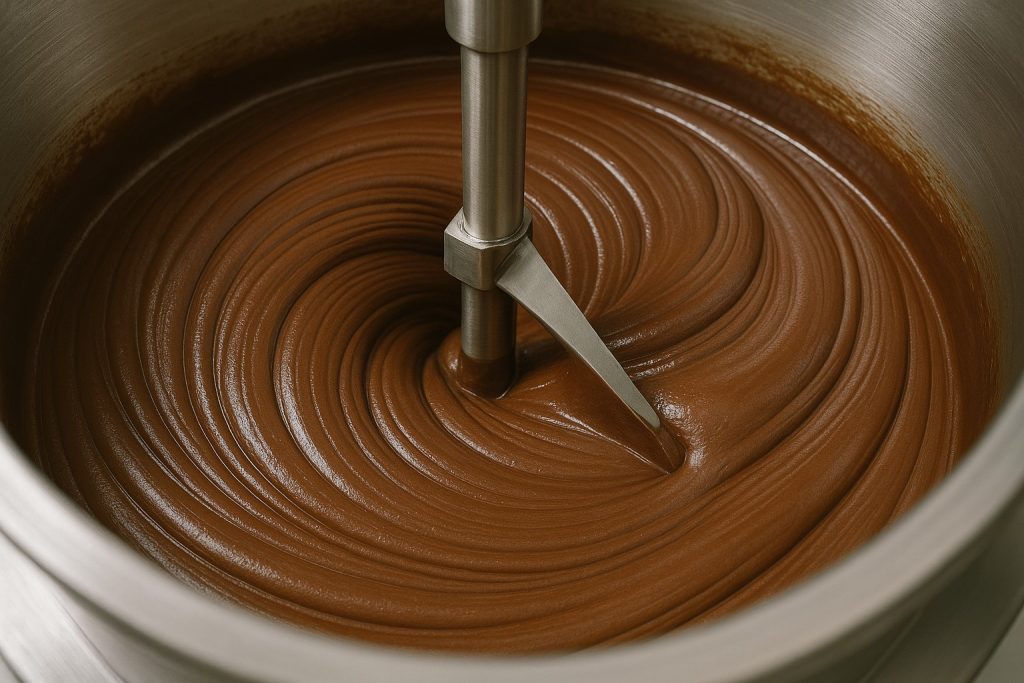
Recommended Pump Types
Lobe Pumps
Designed for the gentle transfer of viscous or particulate-laden products, lobe pumps are ideal for applications involving creams, fillings, syrups, and chunky sauces. Their smooth, low-shear operation helps maintain product integrity.
Peristaltic Pumps
Perfect for metering flavorings, handling aggressive CIP chemicals, and transferring sensitive or corrosive ingredients. The fluid remains contained in a sanitary hose, minimizing contact with pump components and ensuring high levels of hygiene.
Sanitary Air Operated Diaphragm Pumps (AODD)
These versatile pumps are widely used for portable transfer applications like drum emptying, batch filling, and transferring thick slurries. They can run dry, self-prime, and handle a variety of viscosities.
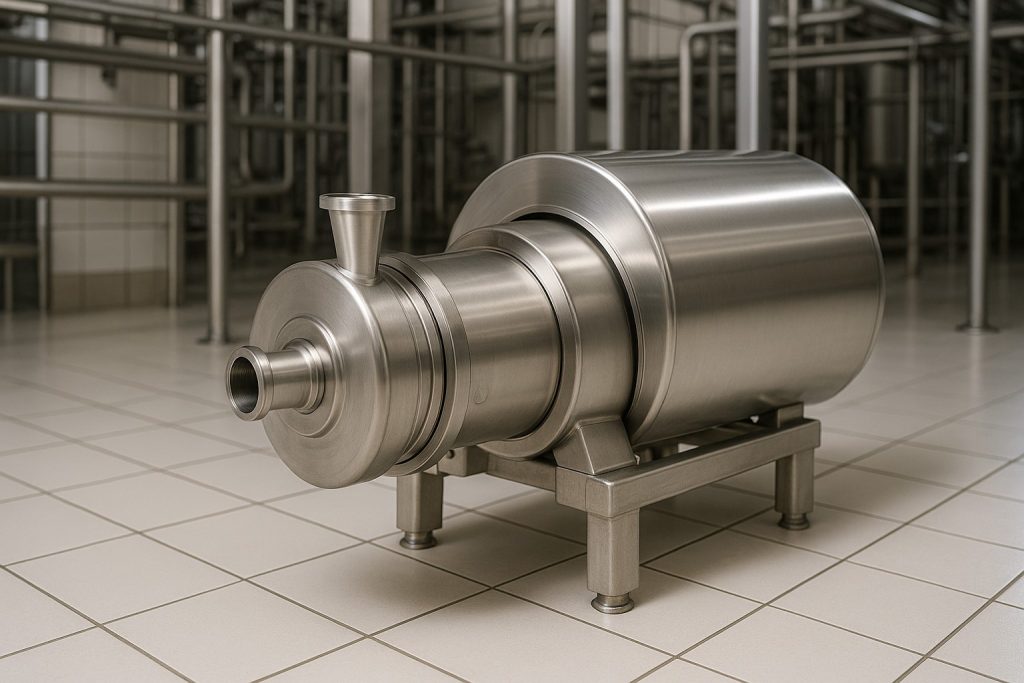
Stainless Steel Centrifugal Pumps
A staple in food processing, these pumps offer high flow rates and are easy to clean. Ideal for transferring water, juice, beer, milk, and other low-viscosity fluids where hygienic design and ease of maintenance are priorities.
Key Considerations
- 3A/FDA-Compliant Materials
All wetted parts must be made from food-safe materials such as 316L stainless steel or FDA-approved elastomers. - Dead-Leg-Free Internal Design
Pumps should be free of crevices and areas where product or cleaning solution could stagnate, reducing the risk of bacterial growth. - Quick-Strip Seals and Connections
Easy disassembly and reassembly help reduce downtime during product changeovers and cleaning cycles.
Selecting the right pump ensures compliance, improves product consistency, and minimizes maintenance interruptions. For help choosing the best pump for your application, contact The Pump Expert for tailored recommendations.
Last Updated on June 3, 2025 by TPE