
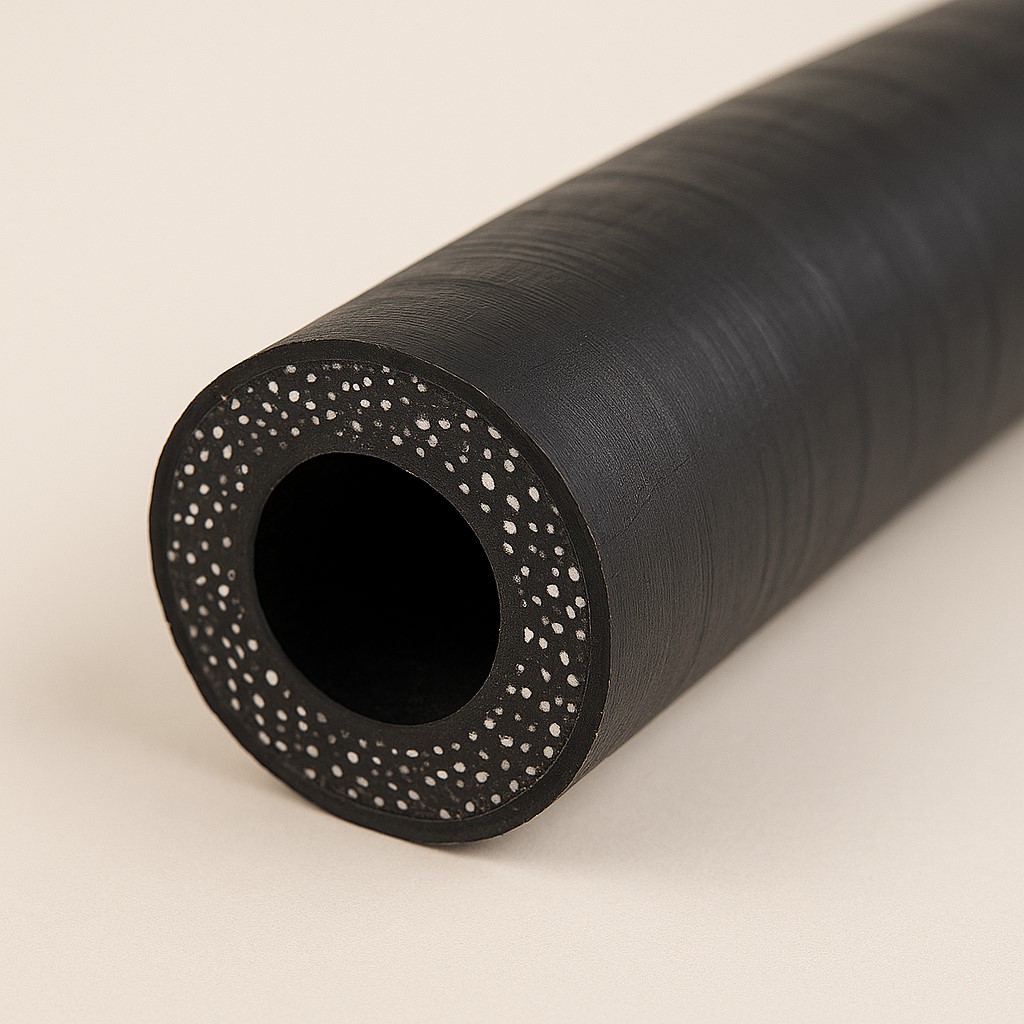
Extend hose life, reduce downtime, and get the most from your peristaltic pump
Peristaltic hose pumps are known for their ability to handle abrasive slurries, corrosive chemicals, and viscous fluids—all while being seal-less and self-priming. But as rugged as they are, the hose is still a wear part, and its lifespan can vary dramatically based on how it’s used.
Here are some practical ways to maximize hose life and reduce costly replacements:
1. Operate Within Design Limits
- Pressure: Don’t exceed the rated discharge pressure. Higher pressure = higher stress on the hose.
- Vacuum/Suction: Excessive suction lift can cause the hose to collapse prematurely.
- Flow Rate: Overspeeding the pump to increase flow can increase friction, heat, and wear.
Tip: Use a variable speed drive to optimise performance and reduce strain.
2. Choose the Right Hose Material
Different hose materials are designed for different chemicals, temperatures, and abrasives. Using the wrong one can lead to cracking, swelling, or rapid erosion.
- NR (Natural Rubber): Good for slurries and general applications.
- EPDM: Resistant to acids and alkalis.
- NBR (Nitrile): Great for oils and fuels.
- Hypalon or CSM: For aggressive chemicals and oxidizers.
Tip: Always check the chemical compatibility chart before selecting your hose.
3. Lubricate Properly
Hose lubrication is essential for reducing friction between the hose and the rollers or shoes inside the pump.
- Use only manufacturer-approved lubricants.
- Ensure the correct volume is used—too little causes wear, too much can create heat issues.
Tip: Check lubricant condition during routine maintenance. Cloudiness or contamination is a red flag.
4. Follow a Preventive Maintenance Schedule
Don’t wait for failure. Instead, track hours of operation, pressure readings, and visual condition of the hose.
- Schedule hose inspections based on run time.
- Monitor for signs of fatigue: bulges, leaks, or flattened spots.
- Keep spares on hand to avoid emergency downtime.
Tip: Install hose leak detectors or pressure monitors to catch early warning signs.
5. Correct Shimming in Shoe-Type Pumps
In shoe-type peristaltic pumps, shims are used to adjust the compression between the shoe and the hose. Getting this right is crucial for hose longevity.
- Too many shims cause excessive compression, leading to premature hose fatigue and overheating.
- Too few shims result in poor sealing, reduced flow, and increased backflow.
- Always refer to the pump manufacturer’s specs when installing or replacing hoses.
Tip: Reassess shim configuration every time a new hose is installed to maintain optimal performance.
Final Thought: Small Adjustments = Big Savings
Extending the life of your peristaltic hose isn’t just about saving money on spares—it’s about improving uptime, reducing labour, and keeping your process running efficiently. With a few smart practices, you can double (or even triple) your hose lifespan.
Last Updated on October 23, 2025 by TPE
