
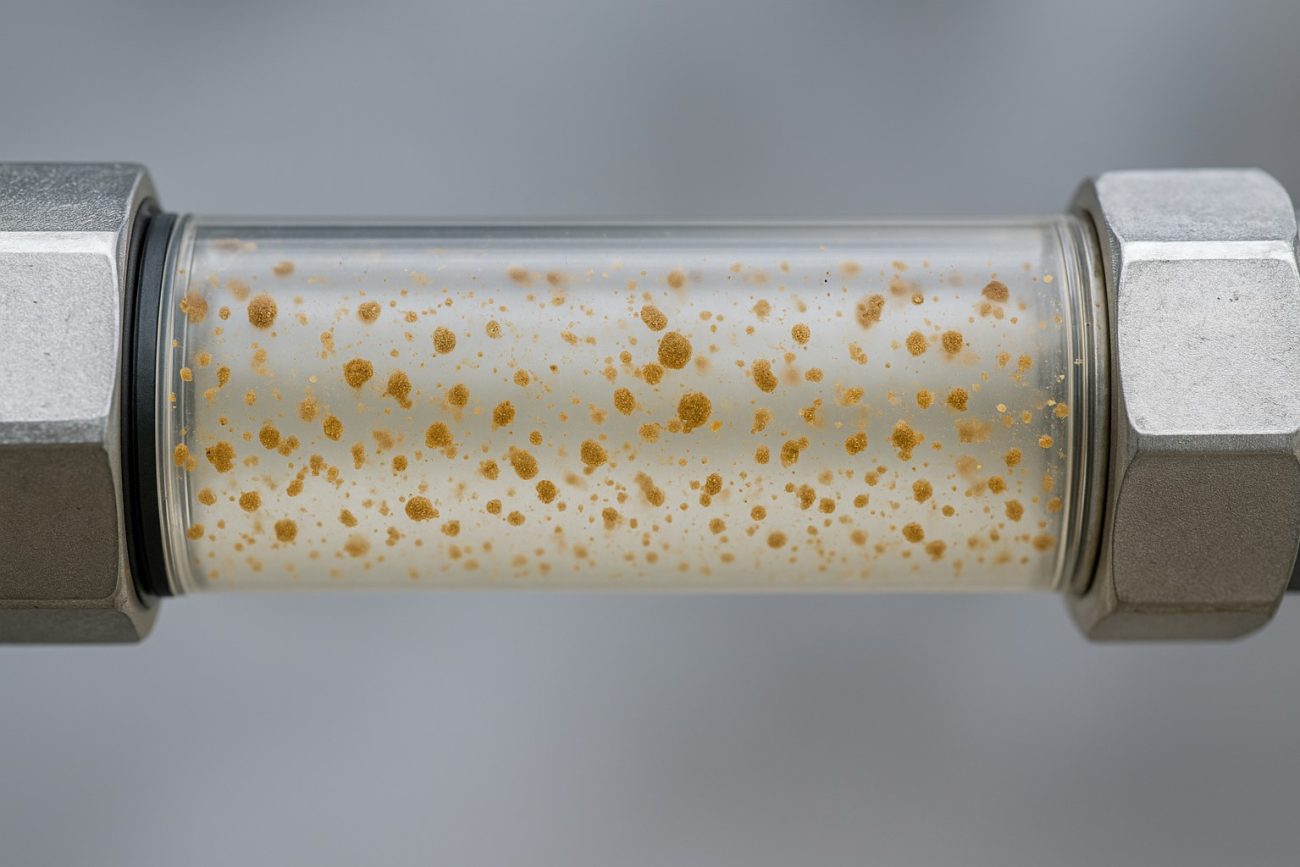
Magnetic drive pumps are known for their seal-less design and leak-free performance, making them ideal for hazardous or corrosive chemical applications. But one of the most common questions engineers and operators ask is:
“Can magnetic drive pumps handle solids?”
The short answer? Typically no—but there are exceptions.
Why Most Magnetic Drive Pumps Struggle with Solids
Magnetic drive pumps operate using close internal tolerances and rely on tight clearances to function efficiently. These features make them vulnerable to solids in several ways:
- Clogging Risk: Solids can jam between the impeller and containment shell, causing damage or complete pump failure.
- Bearing Wear: Internal bearings and shaft support structures are not designed for abrasion and can degrade quickly with solids in the fluid.
- Poor Flow with Particulates: Even soft or small solids can disrupt flow paths or accumulate in tight spots.
As a result, standard magnetic drive pumps are typically restricted to clean, particle-free fluids.
The Exception: Solid-Capable Magnetic Drive Pumps
Some specialized magnetic drive pumps are specifically engineered to handle solids and slurries. These designs incorporate features that allow them to manage fluids with high particulate content, such as:
- Wear Ring Protection: Tight-tolerance wear rings paired with internal rotary filters can prevent particles larger than ~0.1 mm from entering critical pump areas.
- Solids Passage: Some pumps can pass solids up to 6 mm in size, with concentrations as high as 30%.
- Zero-Thrust Impeller Design: Eliminating axial thrust loads removes the need for traditional thrust bearings—one of the most failure-prone elements in slurry conditions.
- Abrasion-Resistant Materials: Shaft supports and bearings made from silicon carbide or ceramic resist wear and thermal shock from aggressive or abrasive fluids.
Real-World Applications
Solid-capable magnetic drive pumps have proven themselves in a range of demanding applications, including:
- Mining slurry transfer
- Acid-laden sludge from chemical processing
- Filtration system recirculation with particulate build-up
- Pumping abrasive solutions with intermittent solids carryover
They’ve even replaced traditional peristaltic or diaphragm pumps in applications where pressure and chemical compatibility are critical—while still handling a high solids load.
Summary: Should You Use a Mag Drive Pump for Solids?
| Feature | Standard Mag-Drive Pumps | Solids-Handling Mag-Drive Pumps |
|---|---|---|
| Solids Compatibility | Very limited | Up to 6 mm, 30% solids in some cases |
| Internal Protection | Vulnerable to blockage | Integrated filtering and wear rings |
| Thrust Design | Requires clean fluid for bearings | Zero-thrust designs improve longevity |
| Typical Applications | Pure chemical transfer | Mining, sludge, abrasive fluid systems |
While most magnetic drive pumps should not be used with solids, some designs break that rule. If your process involves a combination of chemical compatibility, leak-free performance, and suspended solids, there are magnetic drive options available that may fit your needs.
Before selecting a pump, consider:
- Particle size and concentration
- Fluid abrasiveness
- Required pressure and flow rates
Consult with your pump specialist to determine if a solids-capable magnetic drive pump is right for your application.
Last Updated on October 23, 2025 by TPE
