
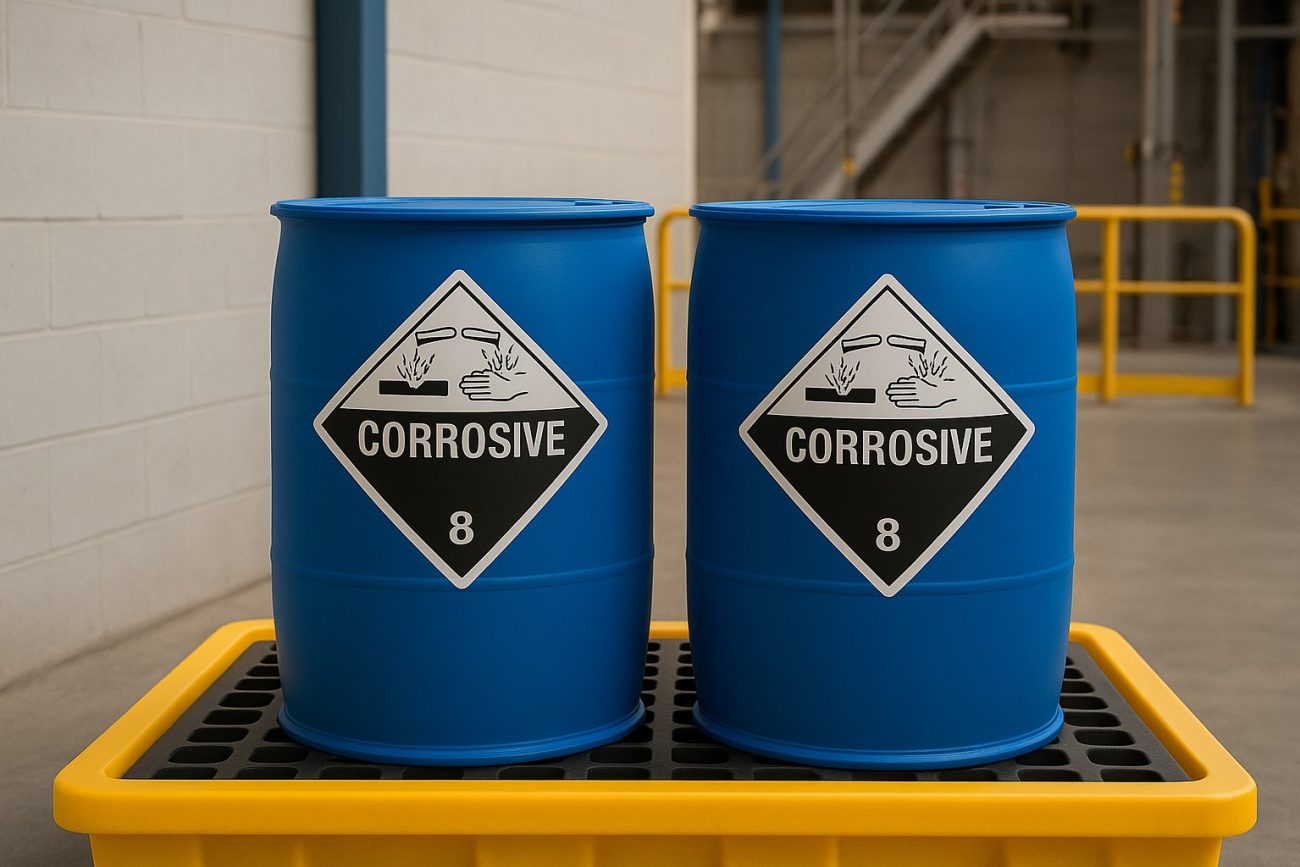
Got a 200-litre drum and need to get the fluid out? Welcome to the world of drum pumps—simple, practical, and often underrated. But choosing the right one isn’t as straightforward as it looks. Manual? Electric? Air-operated? Each has its pros and pitfalls, and what works great in one setting might be completely wrong in another.
Let’s break it down so you can pick the right drum pump for your job—not just the one that happens to be lying around.
Manual Drum Pumps: Simple, Tough, and Low-Tech
These are the hand-operated ones—lever, piston, or rotary style. No power, no cords, no air hoses. You provide the energy.
Best for:
- Low-volume jobs
- Occasional transfers
- Remote or outdoor areas with no power
- Fluids like oil, diesel, water, or light chemicals
Pros:
- No power required
- Inexpensive and portable
- Easy to maintain
- Ideal for emergency backup
Cons:
- Slow and physically demanding
- Not ideal for thick or high-viscosity fluids
- Limited to small batch work
Bottom line:
Great for basic transfer jobs or when you just need to move a bit of fluid. Not what you want for high-volume or repetitive tasks.
Electric Drum Pumps: Fast, Efficient, and Plug-and-Play
Electric drum pumps use a small motor (AC or DC) to do the heavy lifting. They’re often paired with a tube or wand and can be used for a huge range of fluids—from water and oil to aggressive chemicals.
Best for:
- Regular transfer tasks
- Bulk drum-to-tank or drum-to-process transfers
- When you need consistent, hands-free flow
Pros:
- Fast and efficient
- Reduced physical effort
- Compatible with many fluid types
- Some models include flow control or metering options
Cons:
- Requires access to power (mains or battery)
- Not ideal for flammable liquids unless using an ATEX-rated unit
- More expensive up front
- Motor can overheat in long-duty cycles if not sized correctly
Bottom line:
If you’re pumping regularly and want speed and simplicity, electric is the way to go—just make sure it’s rated for your fluid and environment.
Air-Operated Drum Pumps: Tough, Safe, and Versatile
These use compressed air to drive the pump, often through a double diaphragm or piston design. They shine in hazardous or explosive environments—and in places where electricity isn’t an option (or isn’t allowed).
Best for:
- Flammable or volatile fluids (solvents, alcohols, fuels)
- Hazardous environments (ATEX zones)
- Plants with existing compressed air systems
- Thick or viscous materials
Pros:
- Intrinsically safe for use in explosive atmospheres
- Can handle a wide range of fluids—including abrasive or corrosive ones
- Easy to clean and maintain
- Long service life with proper air supply
Cons:
- Needs a clean, reliable air supply
- Pulsation is common (though manageable)
- Typically heavier and more expensive than manual options
- May require regulators or mufflers for quiet, efficient operation
Bottom line:
If safety, chemical compatibility, or ruggedness is a top concern—and you’ve got air available—this is your pump. Especially useful in chemical plants, mining, or solvent-heavy industries.
How to Choose the Right Drum Pump
Here’s a quick comparison to help you decide:
| Type | Best For | Avoid If… |
|---|---|---|
| Manual | Low volume, backup, remote locations | You need speed or have thick fluids |
| Electric | Fast, everyday transfers | You’re in a hazardous zone |
| Air-Operated | Flammables, corrosives, safe zones | You don’t have access to clean air |
Final Thoughts
Choosing the right drum pump isn’t just about what’s available—it’s about the fluid you’re moving, the frequency of use, and the environment you’re working in. Start with those three questions, and the best option usually becomes pretty obvious.
Still unsure? Reach out. We’ve worked with everything from food-grade oils to hydrochloric acid—and we can help match the right pump to your drum and your job.
Last Updated on October 23, 2025 by TPE
