
Noticing your pump is pulling more power than expected? You’re not alone. High power draw is one of the most common—and costly—issues in pumping systems. Left unchecked, it can lead to overheating, tripped motors, rising energy bills, and early equipment failure.
The good news? Most causes are diagnosable and fixable. Here’s how to get to the bottom of it.
1. Pump Is Operating Off-Curve
Pumps are designed to operate most efficiently at a specific point—called the Best Efficiency Point (BEP). If you’re too far to the left or right of the curve, power consumption can spike.
Signs this is the issue:
- Pressure or flow is significantly higher or lower than expected
- Vibration or noise increases
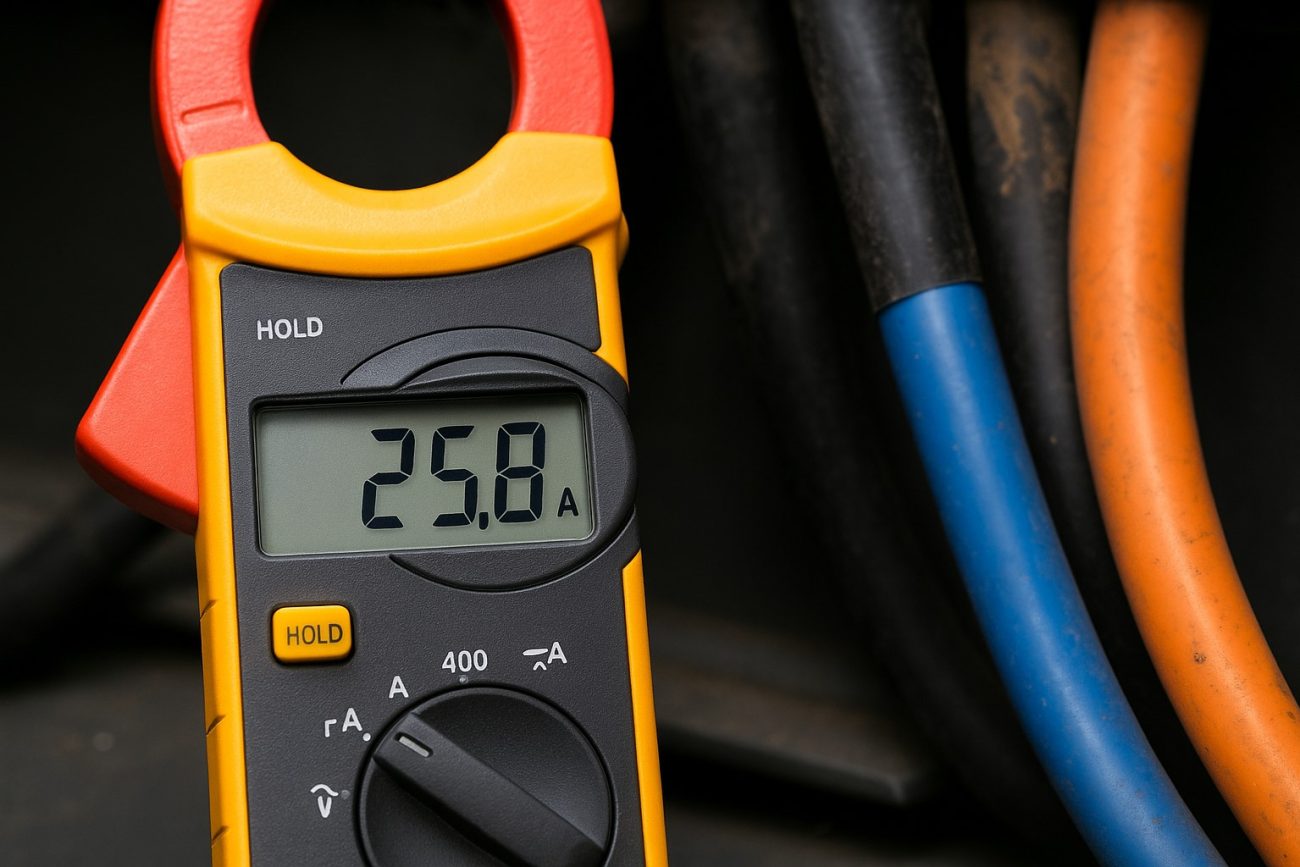
- Motor amps drift above nameplate values
What to do:
- Check your system’s actual flow/head vs the pump curve
- Adjust control valves or pump speed
- Consider a VFD to better match demand
2. Pump Is Too Big for the Job
Oversizing is a common issue—especially when safety margins are added on top of each other during system design.
Why it matters:
An oversized pump will run inefficiently, wasting energy and potentially overloading the motor at startup or under partial load conditions.
What to do:
- Recalculate actual duty point
- Downsize the impeller or switch to a smaller pump
- Use throttling only as a temporary fix
3. Suction or Discharge Obstruction
If your pump is struggling to move fluid due to partial blockage or restrictions, it may compensate by drawing more power.
Check for:
- Clogged strainers, filters, or pipework
- Stuck valves or fouled suction lines
- Damaged or worn internal components
What to do:
- Inspect and clean piping and strainers
- Flush system or dismantle pump for inspection
- Install monitoring sensors to catch future blockages early
4. Impeller Wear or Damage
A worn impeller doesn’t just reduce efficiency—it can cause imbalance and erratic flow, leading to higher power demand.
Look for:
- Increased vibration or unusual noise
- Reduced flow with no system changes
- Visible wear or pitting on impeller vanes
What to do:
- Inspect and replace impeller if needed
- Check for corrosion or cavitation damage
- Review material selection for fluid type
5. Incorrect Motor Alignment or Coupling Issues
Even a slight misalignment between the motor and pump can cause extra resistance, increasing the load on the motor.
Symptoms include:
- High motor amps
- Heat around bearings or couplings
- Premature seal or bearing failures
What to do:
- Perform laser alignment check
- Inspect coupling condition and replace if worn
- Re-align after any maintenance work or foundation shift
6. Fluid Properties Have Changed
Sometimes the system hasn’t changed—but the fluid has. Higher viscosity, solids content, or temperature can increase the work the pump needs to do.
Example issues:
- Thicker fluid in colder weather
- Slurries with higher solids load
- Unexpected process change upstream
What to do:
- Review fluid specs regularly
- Adjust pump type or motor rating if fluid changes are permanent
- Monitor temperature and viscosity in real-time if needed
High power draw isn’t just an energy issue—it’s often a warning sign that something in your system isn’t working the way it should. The key is to look at the full picture: pump sizing, operating conditions, piping layout, and fluid characteristics.
Need help interpreting your power data or matching it to pump performance? Our team can help troubleshoot, test, and recommend efficient solutions for your operation.
Last Updated on October 23, 2025 by TPE
