
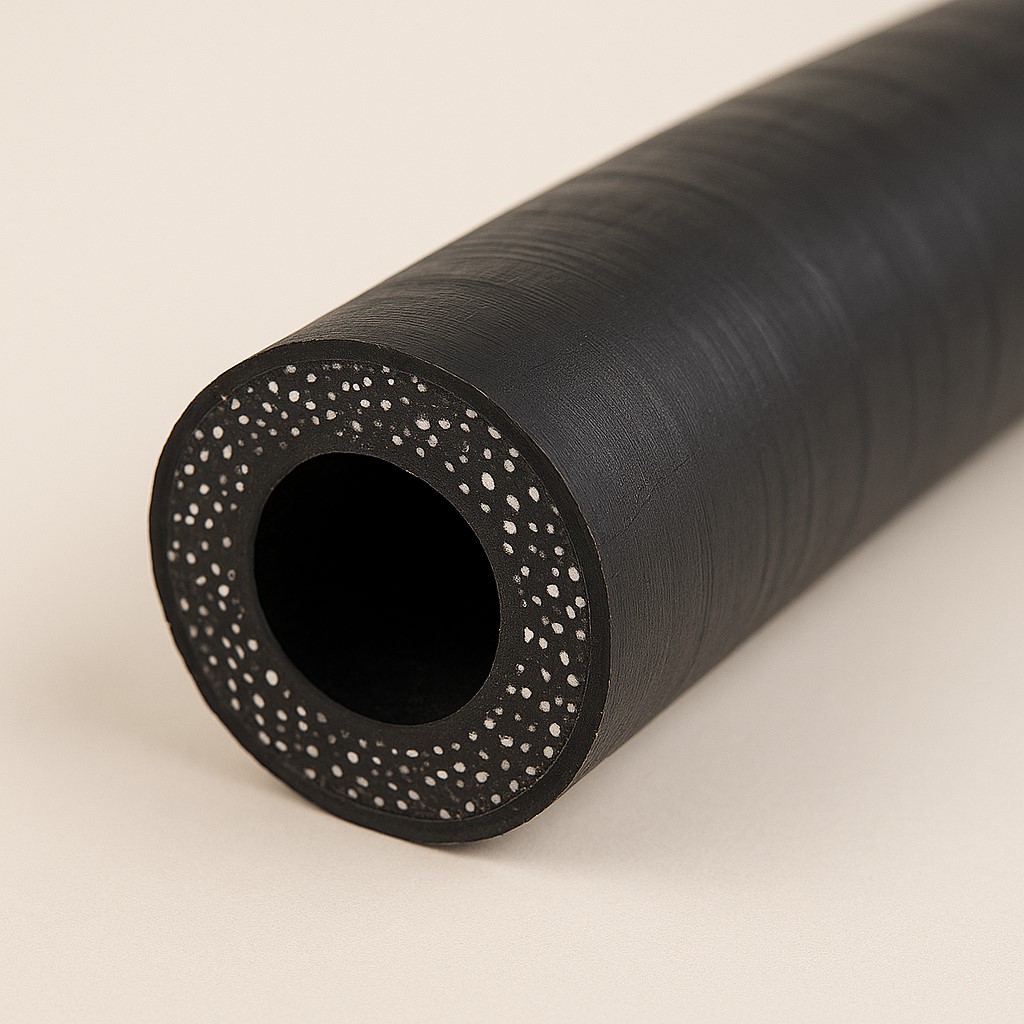
Peristaltic pumps are known for their simplicity, reliability, and ability to handle difficult fluids — from thick sludges to aggressive chemicals. But at the heart of every peristaltic pump is a wear component that eventually needs replacing: the hose or tube.
Knowing when to replace the hose is critical. Replace it too early, and you’re wasting money. Wait too long, and you risk failure, mess, unplanned downtime, or even damage to the pump.
Here’s how to tell it’s time — before it’s too late.
1. You’ve Reached the Expected Hose Life
Every hose has a rated service life, typically expressed in hours. This will vary depending on:
- Pump speed and duty cycle
- Hose material (NR, NBR, EPDM, Hypalon, etc.)
- Pressure
- Chemical compatibility
- Suction/discharge conditions
- Whether the pump is lubricated
As a general rule:
- Light-duty, low-pressure applications: up to 1,000–2,000 hours
- Harsh, abrasive, or high-pressure applications: as low as 200–500 hours
Tip: Keep a log of run hours and replacement intervals — and adjust based on experience with your system.
2. Visible Cracks, Deformation or Surface Wear
If you inspect the hose and see:
- Cracks or crazing (especially near the compression points)
- Flat spots or thinning
- Swelling or softening
- Kinks or hard bends
… it’s time to replace it.
Even if the pump is still operating, these signs show the hose is approaching failure.
3. Loss of Flow Rate or Pressure
Has your flow rate dropped? Is your dosing pump under-delivering?
A worn hose:
- Doesn’t fully rebound between compressions
- Can develop internal friction or deformation
- Loses volumetric efficiency
Note: Flow issues can also be caused by suction line problems or air ingress — but the hose is often the culprit.
4. You Hear or Feel a Change
Experienced operators can often hear or feel when a hose is nearing failure. Signs include:
- A duller or “slapping” sound as the rotor turns
- More vibration or mechanical noise
- Heat build-up on the pump casing
Any of these changes warrant a quick inspection.
5. Product Contamination or Leaks
The most obvious sign of a hose failure? Leaks.
If you see product in the casing, you’ve already gone too far.
In food, pharmaceutical, or chemical dosing applications, a leaking hose could lead to:
- Batch contamination
- Safety hazards
- Damage to drive systems if fluid seeps into the rotor area
Regular inspection and preventative replacement can avoid this.
Bonus Tip: Set a Preventative Maintenance Interval
If your pump runs 24/7 or is used in a critical process, don’t wait for symptoms.
Instead, establish a preventative maintenance schedule based on:
- Average hose life in your application
- Manufacturer recommendations
- Your production cycles or shutdown windows
This allows you to replace hoses during planned downtime, not during a failure.
The hose is the heart of your peristaltic pump — and like any wearing part, it won’t last forever.
If you monitor your pump performance, keep records, and inspect hoses regularly, you can avoid the frustration (and mess) of a burst hose.
Follow The Pump Expert for more tips to get the most out of your hose pump.
Last Updated on August 15, 2025 by TPE
