
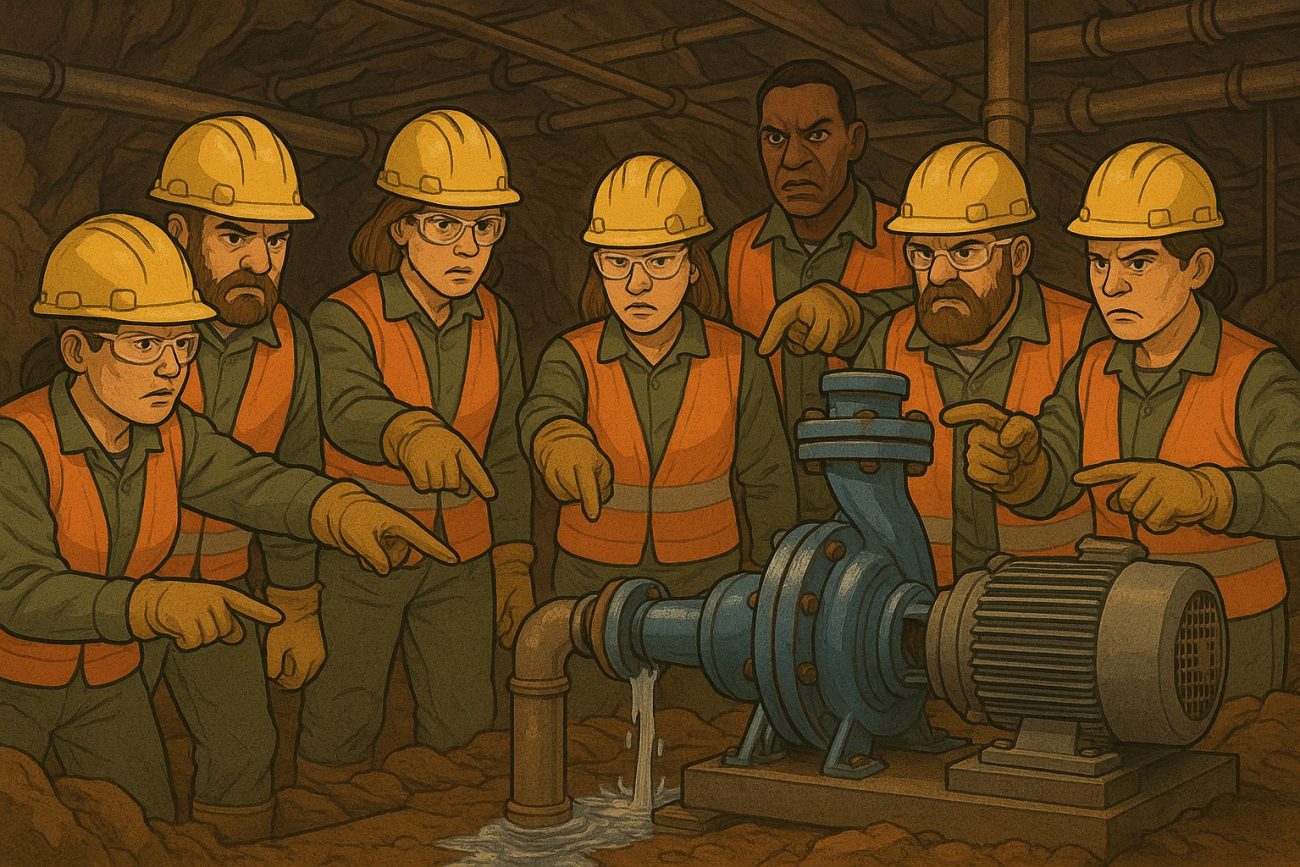
Hi, I’m a pump.
I’m built to move fluid from point A to point B—reliably, efficiently, and often without much attention. I don’t ask for much, just a proper setup and the right application.
But when something goes wrong in the system, I’m often the first thing to get blamed.
Low flow? Must be the pump.
Pressure drop? Probably the pump.
Strange noise? You guessed it—let’s pull the pump apart.
But here’s the thing:
I’m not always the reason things aren’t working.
The Bigger Picture Matters
Pumps are only one part of a much larger system. How I perform depends heavily on how I’m installed, how the pipework is designed, and whether I’ve been selected properly for the job.
Let’s take a look at a few things that can affect how well I do what I’m meant to do.
1. Installation Makes a Big Difference
Even a perfectly designed pump can underperform if it’s not installed correctly. Misalignment, improper foundations, or lack of space for maintenance can all lead to premature wear, vibration issues, and breakdowns.
Key things to check:
- Is the base level and secure?
- Has the pump been properly aligned to the motor?
- Is there enough room around the pump for servicing?
Check out this page on best installation practices.
2. Pipework Configuration Can Make or Break Performance
Suction conditions are critical. If I’m not getting a consistent, unrestricted flow of fluid, I can’t do my job properly—no matter how well I’m built. Poor piping design can introduce air, turbulence, or excessive friction loss.
Common issues:
- Suction lines that are too long, narrow, or full of elbows
- High points that trap air
- Discharge lines that restrict flow or hammer under pressure changes
3. Sometimes the Application Has Changed
Over time, processes evolve. Maybe the fluid’s changed, or the system pressure is different now. If I was selected based on old conditions, I might not be the right fit anymore.
It’s always worth revisiting the pump specification if something about the system has changed.
4. It’s Not About Blame—It’s About Balance
When issues arise, it’s natural to focus on the pump. After all, I’m the one moving the product. But before jumping to conclusions, take a moment to look at the full picture:
- Has anything changed in the system?
- Is the suction line performing as it should?
- Are there blockages, air leaks, or changes in the process?
I’ll always do my best—but I’m only as good as the environment I’m placed in.
Final Thoughts
Pump issues are often a symptom, not the root cause. Before reaching for the tools or assuming a failure, consider the system as a whole. A well-installed, well-matched pump in a well-designed system will deliver reliable performance for years.
If you’re seeing issues, or want a second set of eyes on your setup, the team at ThePumpExpert.com can help. From installation reviews to full system checks, we’ll work with you to get everything running smoothly—without the blame game.
