
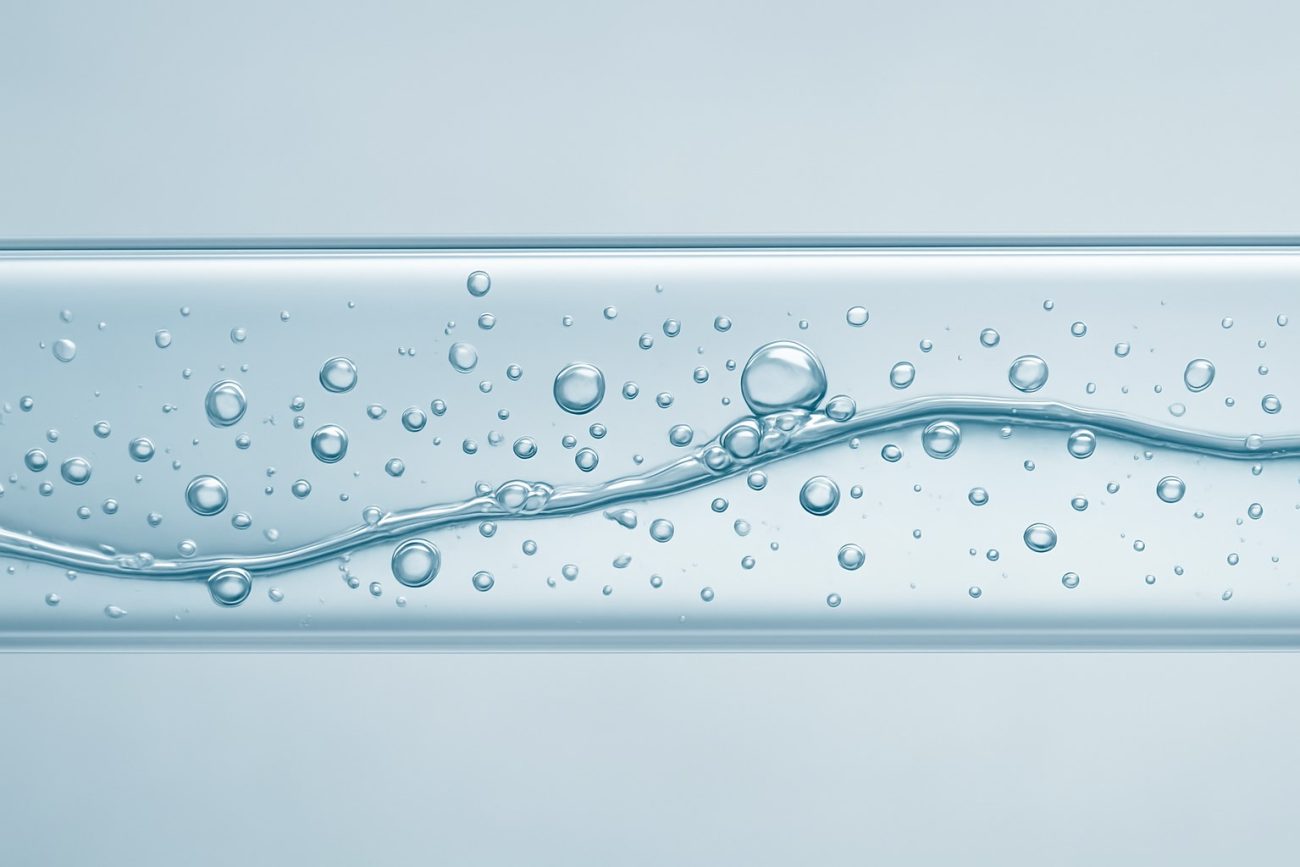
Air bubbles in your pumping system might seem like a minor nuisance—but left unchecked, they can cause serious issues: loss of prime, erratic flow, increased wear, and even complete pump failure.
Understanding how air is getting into your system—and how to get it out—is key to reliable, efficient pump operation.
Why Air Bubbles Are a Problem
Air can affect a pump system in several ways:
- Loss of prime in self-priming or centrifugal pumps
- Cavitation, which damages internal components
- Erratic or pulsating flow, especially in dosing applications
- Reduced efficiency and increased energy consumption
Even small air pockets can disrupt flow in closed-loop or high-pressure systems, especially with viscous or shear-sensitive fluids.
Common Causes of Air in Pumping Systems
1. Leaking Suction Side
The most common culprit: air leaks on the suction line.
What to look for:
- Worn gaskets or cracked fittings
- Loose clamps or flanges
- Pinhole leaks in flexible hoses
How to fix it:
Tighten fittings, replace damaged components, and pressure test the suction side to identify leaks.
2. Improper Pipe Design
Poor pipe layout can trap air and make priming difficult.
Issues include:
- High points in suction lines that trap air
- Long vertical runs without air release valves
- Inverted U-shaped piping without vents
How to fix it:
Reconfigure pipework to allow air to escape, and add air release or vacuum breakers where needed.
3. Vortex Formation at Suction Intake
A whirlpool effect at the suction inlet can pull air into the pump—even if the system is sealed.
How to fix it:
- Increase submergence depth
- Use a suction bell or anti-vortex plate
- Slow down pump speed to reduce turbulence
4. Gas Entrained in the Fluid
Some processes (e.g. fermentation, chemical reactions) generate gas in the liquid itself.
How to fix it:
- Use a degassing tank or vacuum chamber
- Add a vented surge vessel upstream of the pump
- Install gas-tolerant pumps such as peristaltic or diaphragm designs
5. Improper Priming
If a pump isn’t fully primed before startup, trapped air can remain in the casing or suction line.
How to fix it:
- Use a manual or automatic priming system
- Tilt suction piping downward toward the pump
- Install foot valves or self-priming pumps for challenging conditions
How to Detect Air in Your System
- Listen for gurgling or crackling noises
- Check for erratic flow or pressure spikes
- Monitor vibration or temperature fluctuations
- Use sight glasses or clear hoses to inspect for bubbles
Final Thoughts
Air bubbles might be invisible, but their effects are not. Whether it’s cavitation, loss of efficiency, or unreliable performance, addressing air intrusion at the source will save you headaches—and maintenance costs.
Need help diagnosing a persistent air problem? Our team can help you evaluate your system and recommend practical solutions.
Last Updated on October 23, 2025 by TPE
