
For maintenance teams and engineers, few problems are as frustrating as a pump that won’t stay … Why Does My Pump Lose Prime?Read more


Pump selection isn’t just a box-ticking exercise. Too many people think it’s about matching flow and head numbers off a datasheet. It’s not. Get it wrong, and you’ll pay for it later—with high power bills, seal failures, and a maintenance team that’s sick of stripping down the same pump every few months.
Here are the traps I see over and over again:
Forgetting About the Fluid
It’s not water. That’s the mistake. Your pump doesn’t care what the datasheet says—it cares what’s actually in the line. Thick slurries, corrosive chemicals, hot process fluids—they all chew through pumps designed with “clean water” in mind. Know your fluid, respect your fluid, and size the pump for the real job.
Oversizing “Just to Be Safe”
This one’s everywhere. Add a safety margin here, another one there, and suddenly your pump is two sizes too big. Sounds harmless, but it isn’t. An oversized pump runs off its Best Efficiency Point. That means vibration. That means wasted energy. That means seals and bearings that fail long before their time. Do the homework, and match the pump to what the system actually needs.
Ignoring NPSH
Cavitation isn’t just noise—it’s damage. If the NPSH Available in your system doesn’t clear the NPSH Required by the pump, you’re inviting trouble. Hot fluids, long suction lines, undersized inlets—these are red flags. Once cavitation starts, it eats away at impellers and performance goes downhill fast.
Assuming the System Never Changes
Pumps don’t live in static systems. What was right at commissioning may be completely wrong three years later. Flows creep up, duty cycles shift, new chemicals get added. If you don’t review the pump against current conditions, you’ll eventually find it struggling—or failing.
Buying on price alone
The cheapest pump almost always ends up being the most expensive choice. Wrong materials, seals that don’t last, poor efficiency—it all piles up. You pay for it in downtime, spare parts, and power bills.
Spend a little more upfront on the right construction and design, and you’ll save yourself ten times the cost over the life of the pump.
The bottom line: Pump selection isn’t about chasing the lowest price or throwing in oversized safety margins. It’s about knowing your system, understanding your fluid, and being realistic about how the pump will actually be used. Get it right, and you’ll have a pump that runs efficiently, lasts longer, and keeps the plant running without drama.
For maintenance teams and engineers, few problems are as frustrating as a pump that won’t stay … Why Does My Pump Lose Prime?Read more
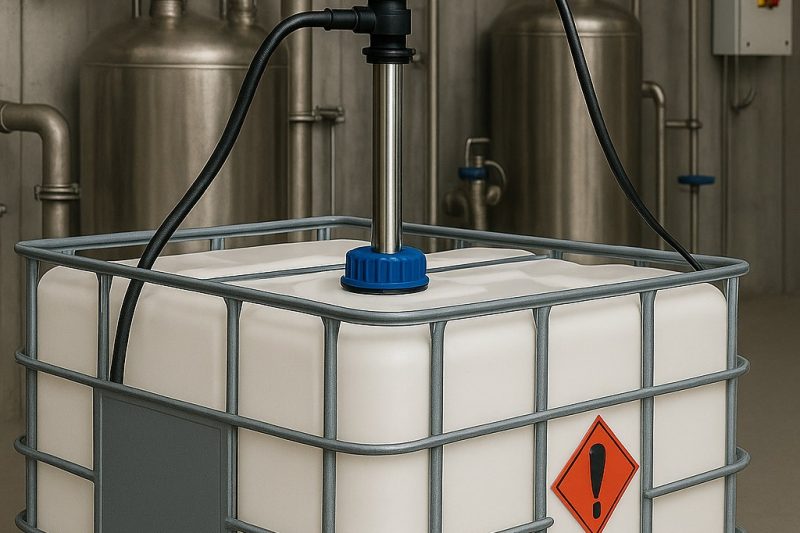
When it comes to drum pumps, many people focus on flow rate, motor type, or ease … The Real Cost of Choosing the Wrong Drum Pump MaterialRead more
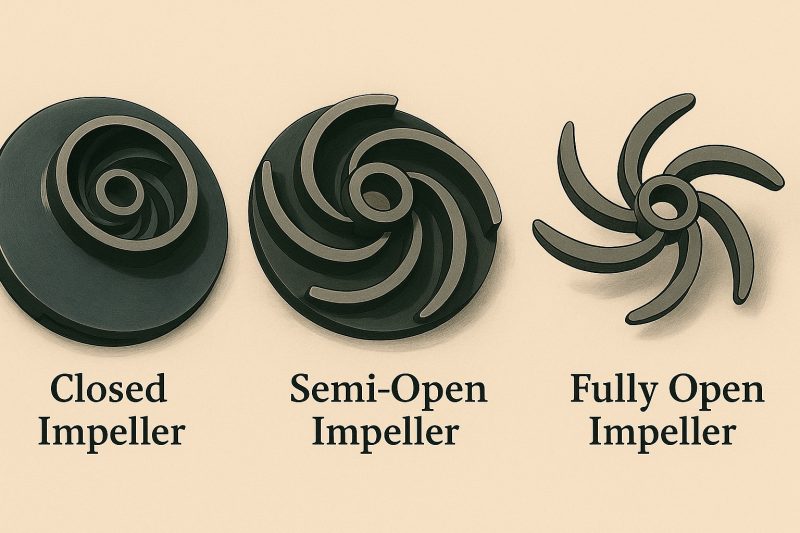
When selecting a centrifugal pump, the impeller design plays a huge role in efficiency, reliability, and … Pump Impellers: Closed, Semi-Open, and Fully Open DesignsRead more
When it comes to pumping slurries, many assume that higher speed means higher productivity. Move more … What’s the Ideal Pump Speed for Slurries? Slowing Down Might Save You MoneyRead more

If you’ve spent time around pumps, chances are you’ve heard the phrase “starved suction.” It’s a … Starved Suction: Is It the Right Term?Read more
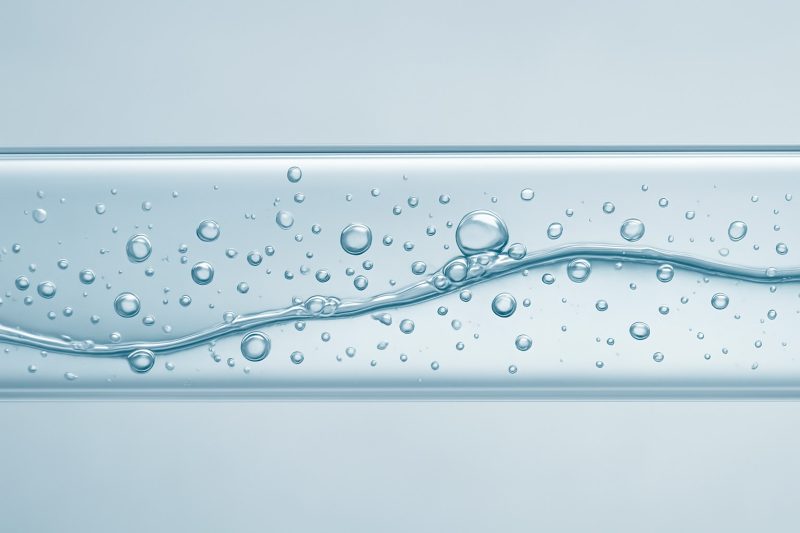
Vapor lock is one of those hidden problems that can bring a pumping system to a … Fluids That Cause Vapor Lock in Pumping SystemsRead more

When designing or troubleshooting a pumping system, engineers often focus on total head, NPSH, and pump … Pipe Velocity in Suction and Discharge Lines: Why It MattersRead more
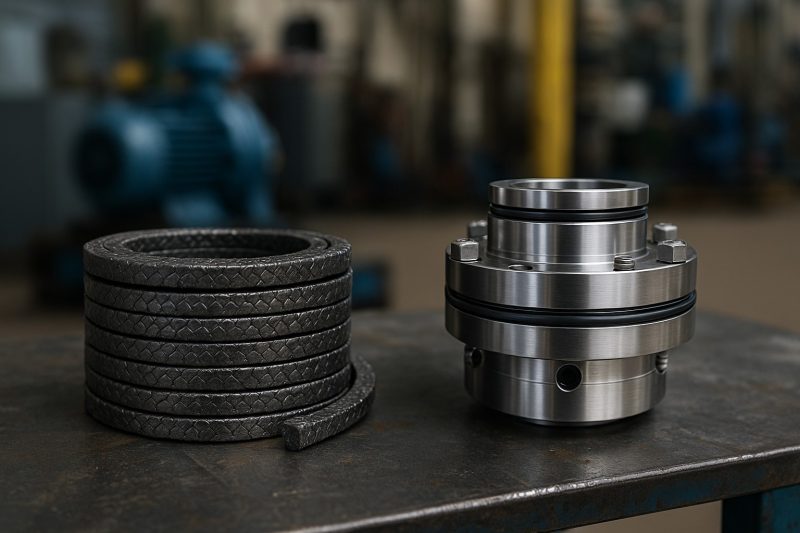
Sealing abrasive slurries is a trade‑off between leakage tolerance, reliability, water/energy use, and maintenance complexity. No … Packing vs Single vs Double Mechanical Seals in Abrasive Slurries: Where Each WinsRead more
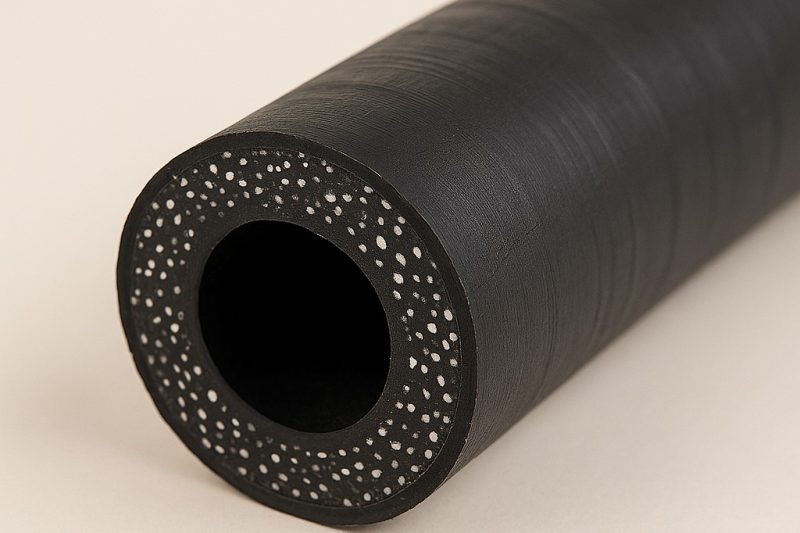
In a peristaltic hose pump, the hose is more than just a consumable part—it’s the heart … Are You Using the Wrong Hose Material? Here’s How to Choose the Right OneRead more
Drum pumps are incredibly handy for transferring liquids from barrels, IBCs, and drums—especially when manual tipping … Top 5 Fluids You Should (and Shouldn’t) Use a Drum Pump ForRead more