
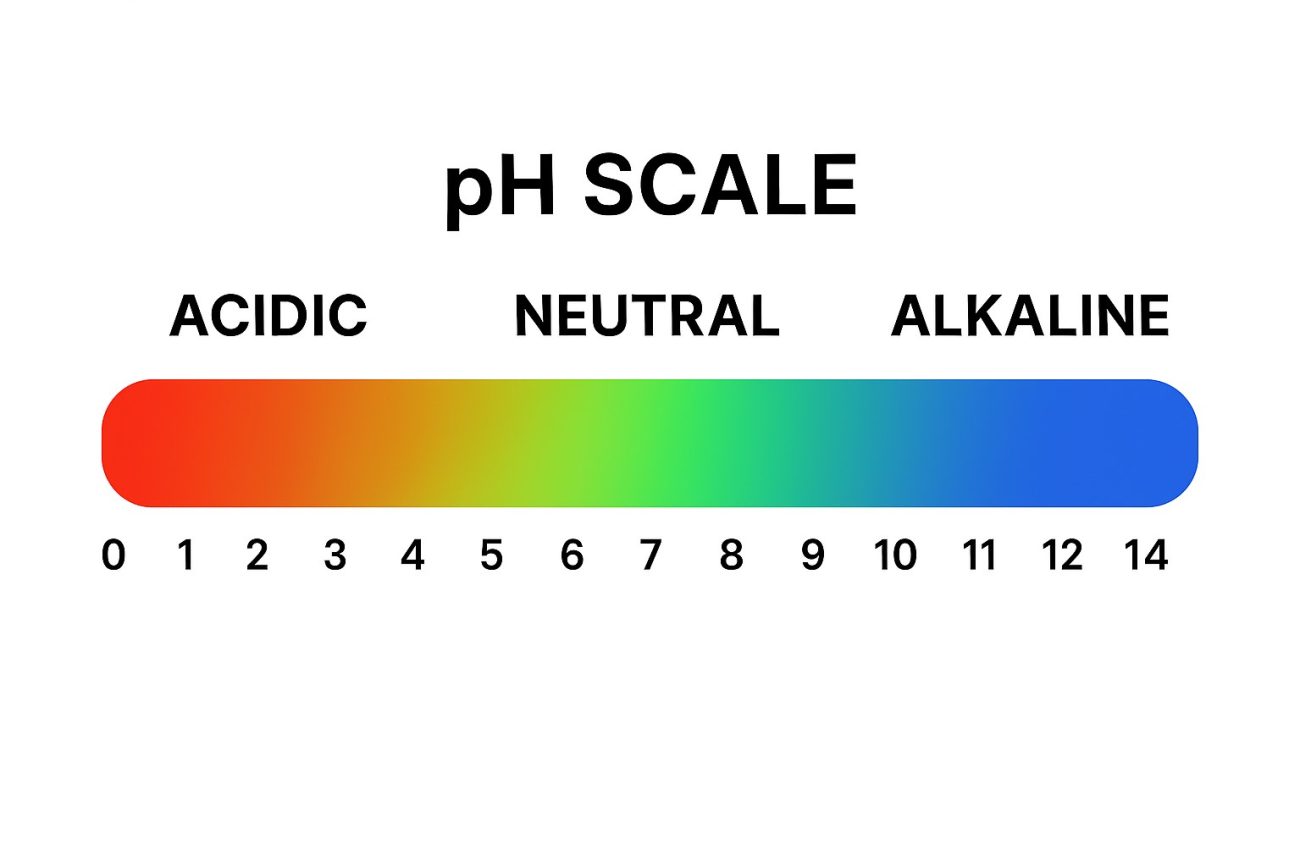
When selecting a pump, engineers often ask: “Can I choose materials just based on the pH of my liquid?”
The short answer is: pH is a useful starting point—but it’s not the whole picture. While pH tells us if a liquid is acidic, neutral, or alkaline, it doesn’t tell the full story of chemical compatibility. To avoid costly mistakes, you need to consider concentration, temperature, and chemical type alongside pH.
How pH Guides Material Selection
Here’s a broad guide to what pump materials generally suit different pH ranges:
pH < 4 – Acidic Range (Strong Acids)
- Polypropylene (PP): Good resistance to many acids, economical choice.
- PVDF (Polyvinylidene Fluoride): Excellent for strong oxidizers and aggressive acids.
- 316 Stainless Steel: Limited use—most strong acids attack stainless at low pH.
pH 4–9 – Neutral to Mild Acids/Alkalis
- Polypropylene (PP): Excellent across this range, particularly for general chemicals.
- 316 Stainless Steel: Good for neutral liquids, water, oils, fuels, and many food-grade applications.
- Aluminium: Suitable for mild, non-corrosive fluids but not recommended for chemical extremes.
pH 9–12 – Moderate Alkalis (Caustic Range)
- Polypropylene (PP): Performs well with caustic soda and other alkalis at moderate concentrations.
- PVDF: Preferred for higher resistance or elevated temperature applications.
- 316 Stainless Steel: Not ideal—alkalis can attack stainless at higher strengths.
pH > 12 – Strong Alkalis
- PVDF: Best option for strong caustics at higher temperatures.
- Polypropylene (PP): Suitable at ambient temperatures, but long-term resistance decreases with concentration and heat.
- 316 Stainless Steel: Not recommended—caustics rapidly damage stainless steel.
Why pH Alone Isn’t Enough
Here’s where engineers sometimes run into trouble: two chemicals with the same pH can behave very differently toward pump materials.
- Hydrochloric acid (pH < 1) will quickly corrode stainless steel.
- Sulfuric acid (pH < 1) may be handled with certain alloys at specific concentrations.
- Sodium hypochlorite (pH ~12) is alkaline but also a strong oxidizer, requiring PVDF or specialty alloys—not just “alkali-resistant” materials.
Other key factors to consider:
- Concentration: A dilute acid may be safe in polypropylene; the same acid at higher strength may require PVDF.
- Temperature: Heat accelerates corrosion and material degradation.
- Abrasiveness: Solids or slurries can erode plastic or metal surfaces.
- Fluid properties: Oxidizers, solvents, or food-grade applications bring their own challenges.
The Real Cost of Getting It Wrong
Choosing the wrong pump material based on pH alone can result in:
- Premature pump failure (weeks instead of years).
- Unexpected downtime and production delays.
- Leaks or safety hazards due to corrosion or seal damage.
- Product contamination that ruins batches or compromises quality.
The upfront savings of a cheaper material are almost always outweighed by the hidden costs of failures and replacements.
Final Thoughts
So, can you select pump materials based on pH?
Yes—as a starting guide.
No—as the only factor.
For reliable and safe pump operation, always combine pH knowledge with a chemical compatibility chart, plus consideration of concentration, temperature, and application conditions.
