
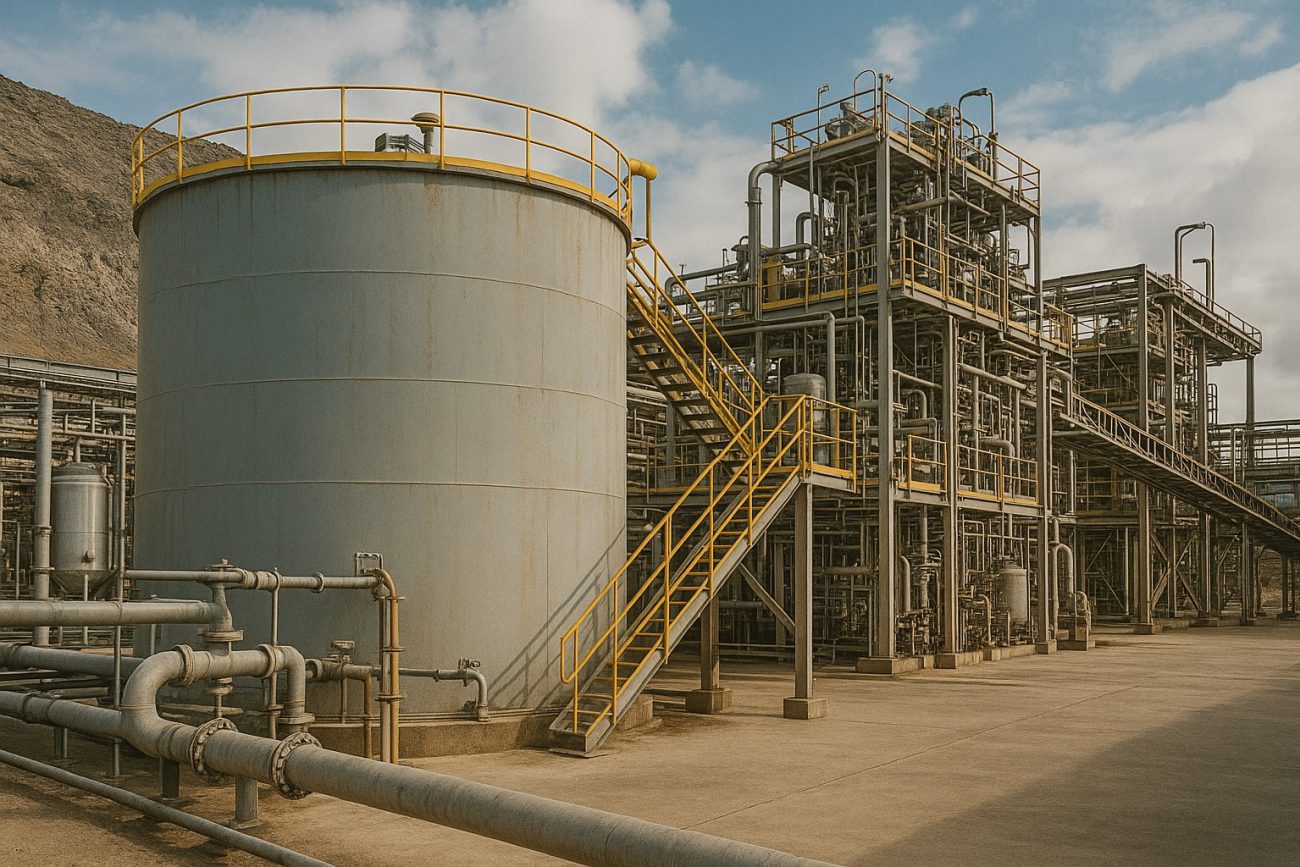
Mining environments are among the most demanding in the world. Pumps operating in these settings face thick slurries, abrasive materials, corrosive chemicals, and fluctuating flow demands. While many pump types can struggle in such conditions, peristaltic pumps consistently stand out as a robust, reliable choice.
Here’s why peristaltic pumps thrive in mining applications:
1. Unmatched Abrasion Resistance
In mining, abrasive slurries—containing sand, grit, or ore particles—quickly wear down internal components of traditional pumps. Peristaltic pumps, however, have:
- No internal valves, impellers, or seals in contact with the slurry
- A reinforced rubber hose that contains all fluid, protecting the pump body from wear
- Only the inner hose as a wear part, which is easy and cost-effective to replace
This makes them ideal for handling tailings, thickened slurries, and grit-laden fluids.
2. Self-Priming and Dry-Running Capabilities
Peristaltic pumps can self-prime up to 9 metres and safely run dry without damaging internal components. This is critical in mining, where:
- Sumps can run low unexpectedly
- Pumps are often located above fluid sources
- Inconsistent flow or suction lines are common
This flexibility helps prevent downtime due to vapor lock, cavitation, or priming failures.
3. Chemical Compatibility
Many mining operations use aggressive chemicals like cyanide, lime, or acidic leach solutions for ore processing. Peristaltic pumps excel because:
- The fluid only contacts the inner hose, which can be made from chemical-resistant materials
- This design eliminates seal failures caused by corrosive media
- Ideal for chemical dosing in floatation, pH control, and neutralisation systems
4. Low Maintenance Design
In remote mining sites, reliability matters. Peristaltic pumps feature:
- No seals, bearings, or valves in contact with pumped fluid
- Only one main wear component (the hose)
- Quick hose changes that don’t require dismantling the entire pump
This drastically reduces unplanned maintenance and spare parts stocking.
5. Precision and Consistency in Dosing
Whether it’s flocculants, acids, or reagents, mining operations require accurate chemical dosing. Peristaltic pumps:
- Deliver highly repeatable flow rates, even with viscous or gaseous fluids
- Are unaffected by changes in pressure or fluid characteristics
- Provide pulsation-free metering when equipped with dampeners
This ensures optimal process control and chemical efficiency.
6. Reversible Flow and Blockage Resistance
A unique benefit of peristaltic pumps is reversible operation, which:
- Helps clear blockages in pipelines without opening the system
- Enables precise batch filling or drainback
If a discharge line is clogged or a hose collapses due to a process upset, the pump can reverse to relieve pressure.
Common Mining Applications for Peristaltic Pumps
- Tailings transfer
- Chemical dosing (lime, cyanide, flocculants)
- Dewatering with solids
- Slurry sampling and recirculation
- Thickener underflow handling
Final Thoughts
Peristaltic pumps aren’t just an alternative in mining—they’re often the preferred solution for abrasive, corrosive, and high-solid pumping tasks. Their durability, minimal maintenance needs, and chemical compatibility make them an excellent investment for demanding mining conditions.
If you’re facing pump wear, clogging, or seal failures in your operation, it might be time to explore peristaltic pump technology.
Last Updated on March 19, 2026 by TPE
