
When it comes to pumping thick slurries—like tailings, sludges, and abrasive process fluids—not all pumps are created equal. The wrong choice can lead to blockages, excessive wear, or even total pump failure. So what’s the best pump for handling thick, heavy slurries?
Let’s break it down.
What Qualifies as a “Thick Slurry”?
A thick slurry is typically defined by:
- High solids content (30–70%)
- Viscous and abrasive characteristics
- Settling tendency when flow stops
- Irregular or coarse particle sizes
Common examples include:
- Mining tailings
- Sand-laden wastewater
- Concentrated mineral slurries
- Bentonite, clay, and lime mixtures
- Thickened sewage sludge
Best Pump Types for Thick Slurries
1. Peristaltic Hose Pumps
Why they work:
Peristaltic pumps move fluid by squeezing a reinforced rubber hose with rotating rollers. This design creates a strong vacuum and positive displacement—ideal for thick, shear-sensitive, or abrasive materials.
Benefits:
- No valves or seals in contact with slurry
- Handles extremely high solids (up to 80%)
- Self-priming and dry-run capable
- Easy maintenance (just replace the hose)
Common industries: Mining, chemical dosing, dewatering, food waste processing
2. Centrifugal Slurry Pumps (with Rubber or Metal Liners)
Why they work:
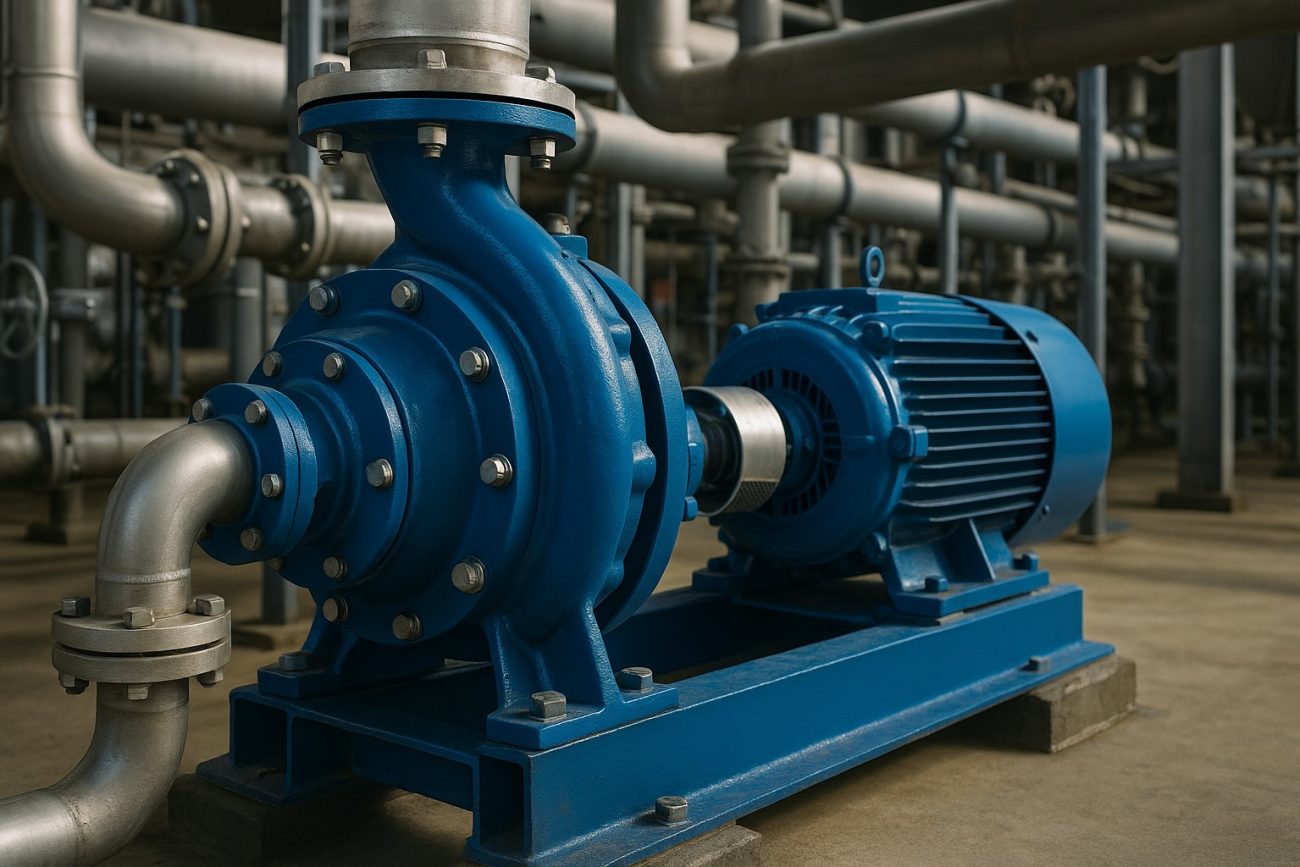
Heavy-duty centrifugal slurry pumps are designed with thick impellers and wear-resistant liners to withstand high-impact and high-wear conditions.
Benefits:
- High flow rates
- Robust, field-proven designs
- Available in various liner materials (rubber, high-chrome, polyurethane)
- Easily maintainable in mining and mill circuits
Limitations:
- Less effective at very high viscosities or low flow
- Requires consistent flow to prevent settling
3. Progressive Cavity Pumps
Why they work:
These pumps use a helical rotor and stator to move thick material through the pump at a steady flow, even under pressure.
Benefits:
- Excellent for viscous, non-abrasive slurries
- Low shear for delicate particles
- Smooth, continuous flow
Limitations:
- Not ideal for highly abrasive slurries
- Wear-sensitive and can be expensive to maintain
Factors to Consider When Choosing a Slurry Pump
When selecting the right pump for thick slurries, consider:
- Solids content and particle size
- Viscosity and temperature
- Abrasiveness and chemical compatibility
- Required flow rate and pressure
- Ease of maintenance and spare part availability
- Pump location: horizontal, submersible, or mobile?
Our Recommendation
For most thick, abrasive slurries—especially in mining and heavy industry—peristaltic hose pumps or rubber-lined centrifugal slurry pumps provide the best mix of durability, performance, and serviceability.
If you’re handling ultra-thick sludge or require precision dosing, progressive cavity pumps may be the better choice.
Need Help Selecting the Right Pump?
Our experts can evaluate your slurry characteristics and site requirements to recommend a pump that won’t let you down—even in the toughest conditions.
Last Updated on June 1, 2026 by TPE
