
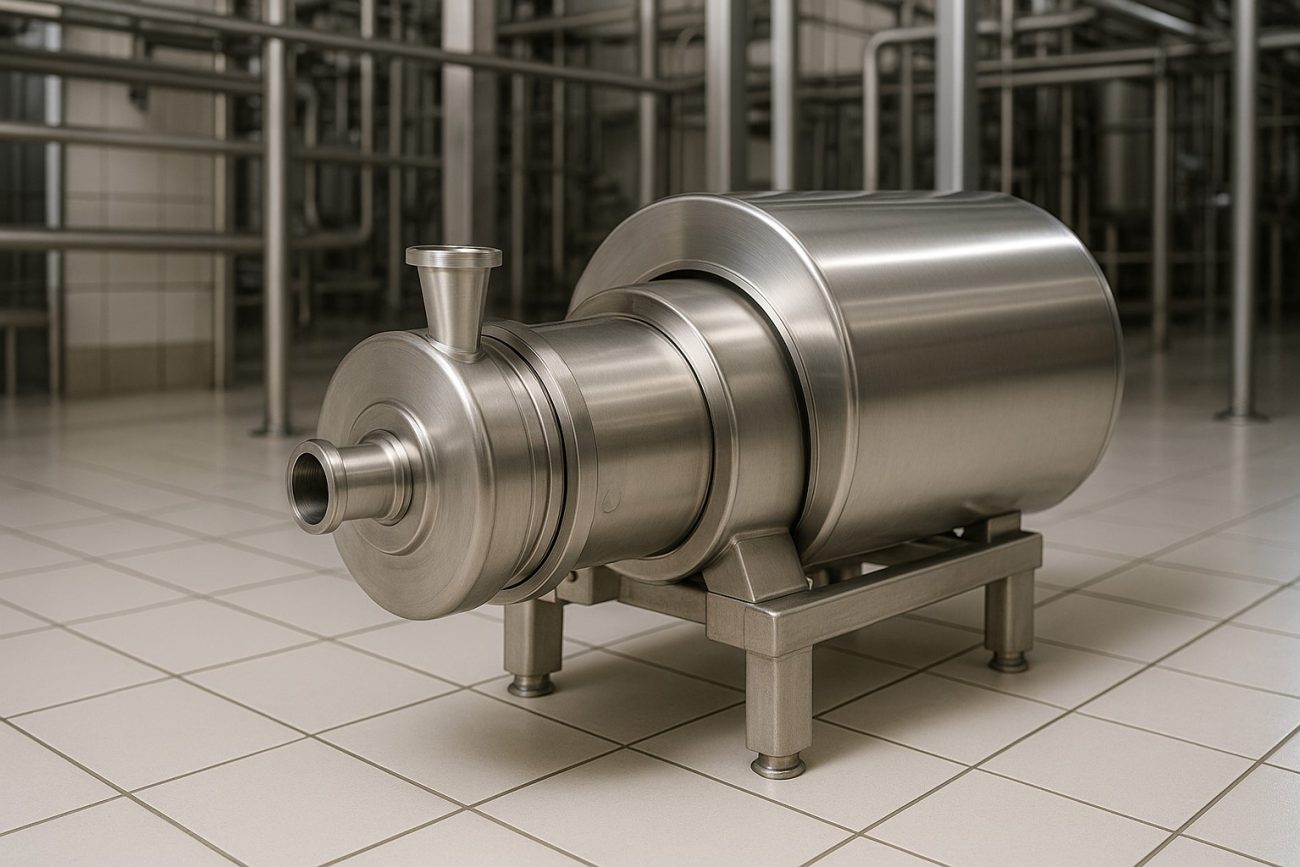
In the world of wine and beverage production, precision isn’t just a nice-to-have—it’s essential. Whether you’re transferring delicate wine, bottling juice, or moving syrups and concentrates, the right pump can make or break your process.
So what makes a pump suitable for the wine and beverage industry? Cleanliness, quiet operation, and dosing accuracy top the list.
Why Pump Selection Matters in Food & Beverage
Beverage production is a delicate art backed by science. You’re often dealing with:
- Shear-sensitive products like wine and fruit juices
- Temperature-sensitive liquids like dairy or concentrates
- Strict hygiene standards and clean-in-place (CIP) requirements
- Tight control over flow rates and batch sizes
A pump that’s too aggressive can damage your product. One that’s hard to clean can introduce contamination. And anything too loud? It’s a nightmare for a production floor that already deals with noise fatigue.
Top Requirements for Wine & Beverage Pumps
1. Cleanliness
- FDA and food-grade materials are non-negotiable
- Smooth internal surfaces for easy cleaning
- Support for CIP/SIP processes
- Low hold-up volume to minimize product loss
2. Low Shear & Gentle Transfer
- Especially important for wine, to preserve aroma and prevent oxidation
- Positive displacement pumps like peristaltic or diaphragm pumps excel here
- No emulsifying or foaming of delicate liquids
3. Quiet Operation
- Helps maintain a comfortable production environment
- Essential during nighttime or cellar operations in wineries
4. Accurate Dosing
- Critical for mixing syrups, flavourings, or additives
- Flow control and repeatable dosing avoid waste and ensure consistent product quality
Common Pump Types Used in the Industry
Peristaltic Pumps
Strengths: Very gentle, hygienic, self-priming, easy to clean
Typical Uses: Wine transfer, juice dosing
Diaphragm Pumps
Strengths: Good for clean transfer, can handle particulates
Typical Uses: Bottling lines, syrup dosing
Centrifugal Pumps
Strengths: High flow, easy to maintain, cost-effective
Typical Uses: Bulk transfer, CIP fluid circulation
Lobe Pumps
Strengths: Hygienic and capable of handling solids gently
Typical Uses: Fruit puree, thick juice applications
Case Example: Pumps in Boutique Wineries
Many boutique wineries are turning to peristaltic hose pumps for their low shear and high sanitary performance. These pumps move wine without pulsing or splashing, preserving the structure and aroma of the product.
Better yet, they’re easy to clean between batches—critical when switching from red to white or vice versa.
The Final Sip
In the wine and beverage world, it’s not just about moving fluid—it’s about moving it right. Selecting the right food grade pump ensures product integrity, regulatory compliance, and a smooth production process from start to bottle.
Looking for pump recommendations tailored to your beverage process? Reach out or explore our pump guides to find the right fit.
Last Updated on October 23, 2025 by TPE
